
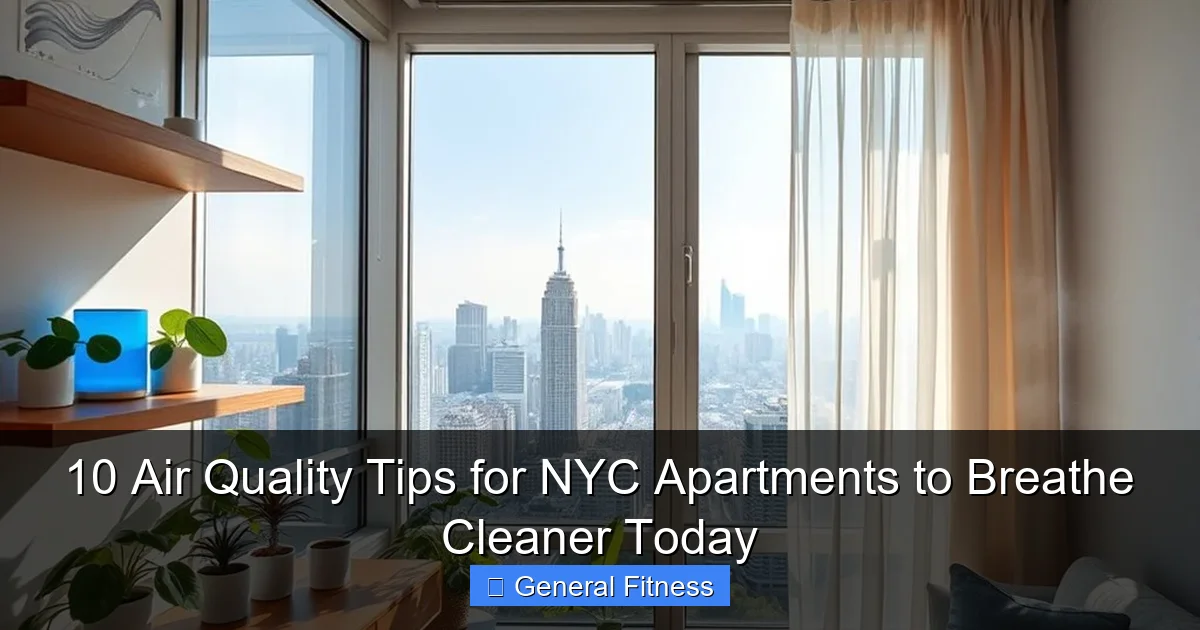
10 Air Quality Tips for NYC Apartments to Breathe Cleaner Today
Living in a NYC apartment can expose you to unique air quality challenges. These 10 actionable tips will help you reduce indoor pollutants and breathe cleaner air every day. From ventilation hacks to choosing the right plants, learn how to improve your home’s air quality easily and effectively.
Key Takeaways
- Regular Ventilation Matters: Opening windows and using fans help circulate fresh air and reduce indoor pollutants.
- Invest in Air Purifiers: HEPA air purifiers can capture fine particles common in urban environments.
- Indoor Plants Can Help: Certain plants naturally filter the air and improve oxygen levels.
- Limit Pollutant Sources: Avoid smoking indoors and choose low-VOC products for cleaning and decorating.
- Maintain HVAC Systems: Regularly clean and replace filters to keep your heating and cooling systems efficient.
- Control Humidity Levels: Use dehumidifiers to prevent mold and dust mites, common in NYC apartments.
- Keep It Clean: Frequent dusting and vacuuming with HEPA-filter vacuums reduce allergens and dust buildup.
📑 Table of Contents
- Introduction
- 1. Maximize Natural Ventilation
- 2. Invest in a Quality Air Purifier
- 3. Use Indoor Plants to Naturally Improve Air Quality
- 4. Reduce Indoor Pollutants and Toxins
- 5. Maintain Your Heating, Ventilation, and Air Conditioning (HVAC) Systems
- 6. Control Humidity to Prevent Mold and Dust Mites
- 7. Keep Your Apartment Clean and Dust-Free
- 8. Be Mindful of Cooking Habits
- 9. Avoid Synthetic Fragrances and Air Fresheners
- 10. Monitor Your Air Quality Regularly
- Conclusion
Introduction
Living in a New York City apartment is an experience like no other. The hustle, the bustle, and the endless energy of the city create a unique lifestyle that many love. But with city living comes some challenges, especially when it comes to indoor air quality. NYC apartments often face issues like pollution from outside traffic, limited airflow, and indoor contaminants that can affect your health.
Breathing clean air inside your home is essential for your well-being. Poor air quality can lead to allergies, respiratory problems, and even affect your sleep and energy levels. The good news? Improving the air quality in your NYC apartment doesn’t require a complete overhaul or expensive equipment. With a few smart steps, you can start breathing cleaner air today.
In this article, we’ll walk you through 10 practical and easy-to-follow air quality tips designed specifically for NYC apartments. Whether you live in a cozy studio or a larger multi-room unit, these tips will help you create a healthier, fresher living space.
1. Maximize Natural Ventilation
Open Windows Strategically
NYC apartments can be small and sealed tight, trapping stale air inside. Whenever weather permits, open your windows to let fresh air circulate. Even a few minutes a day can significantly reduce indoor air pollutants.
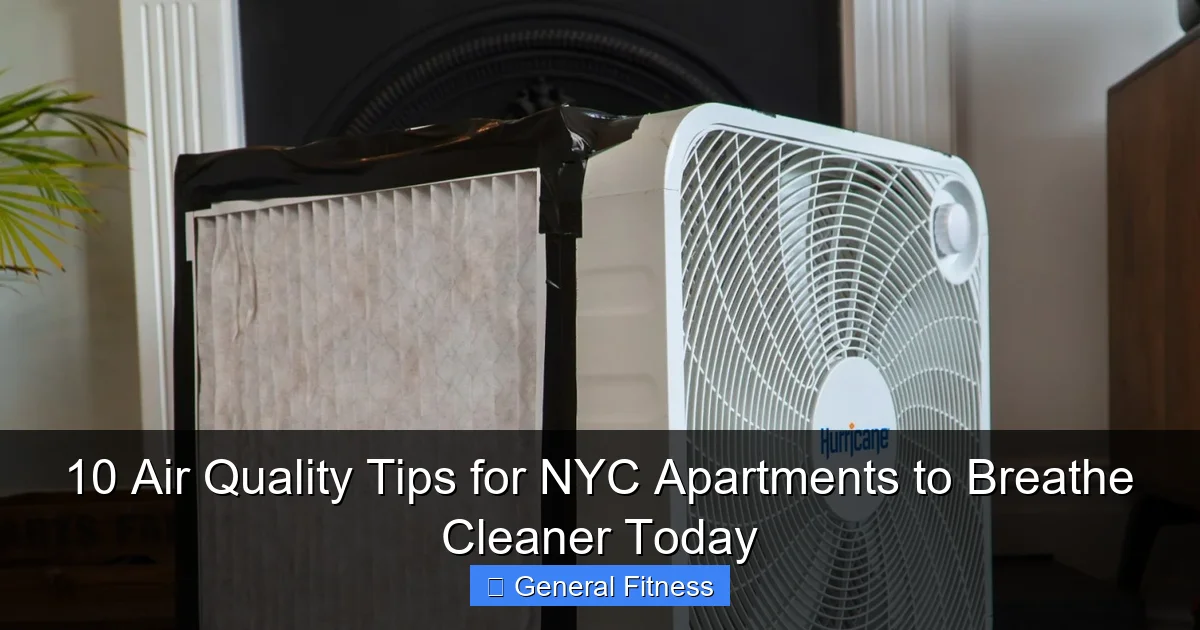
Visual guide about 10 Air Quality Tips for NYC Apartments to Breathe Cleaner Today
Image source: smoothjazzfestivals.com
If your apartment has windows on opposite sides, open them both to create a cross-breeze that pushes out stale air and draws in fresh air from outside.
Use Exhaust Fans and Portable Fans
Bathrooms and kitchens generate moisture and odors that can worsen indoor air quality. Use exhaust fans while cooking or showering to remove excess humidity and pollutants.
To enhance airflow, place a portable fan near windows to push out stale air or draw in fresher air, especially on days when you can’t open all windows.
2. Invest in a Quality Air Purifier
Choose HEPA Filters for Maximum Efficiency
HEPA (High Efficiency Particulate Air) filters capture 99.97% of particles as small as 0.3 microns, including dust, pollen, pet dander, and smoke. This is especially helpful in NYC, where outdoor pollution and indoor allergens are common.
Look for purifiers sized appropriately for your room to ensure effective air filtration.
Keep Your Air Purifier Clean and Maintained
Regularly check and replace filters as recommended by the manufacturer. A clogged filter reduces efficiency and can even recirculate pollutants.
3. Use Indoor Plants to Naturally Improve Air Quality
Best Plants for NYC Apartments
Certain indoor plants filter toxins like formaldehyde and benzene from the air. Popular options include spider plants, snake plants, and peace lilies. They’re low-maintenance and perfect for apartment living.
Placement and Care Tips
Place plants near windows for natural light but avoid direct harsh sun that could damage them. Water plants properly and wipe leaves periodically to remove dust buildup, which can reduce their air-purifying ability.
4. Reduce Indoor Pollutants and Toxins
Avoid Smoking Indoors
Smoking indoors drastically worsens air quality and exposes everyone in your apartment to harmful chemicals. If you smoke, do it outside and away from building entrances to protect neighbors.
Choose Low-VOC Products
Volatile Organic Compounds (VOCs) are chemicals found in many paints, cleaning products, and furnishings. They off-gas into the air and can cause headaches and irritation.
Opt for low-VOC or no-VOC paints and cleaning supplies. Natural cleaning alternatives like vinegar and baking soda are effective and safer for indoor air.
5. Maintain Your Heating, Ventilation, and Air Conditioning (HVAC) Systems
Regular Filter Replacement
Many NYC apartments have central HVAC or window air conditioning units that circulate air. Dirty filters trap pollutants and reduce efficiency.
Replace or clean filters monthly during high-use seasons to ensure clean airflow.
Schedule Professional Maintenance
Consider yearly HVAC servicing to check for mold, dust buildup, or mechanical issues that could impact air quality. Properly maintained systems work better and keep air fresher.
6. Control Humidity to Prevent Mold and Dust Mites
Use a Dehumidifier
NYC’s humid summers can foster mold and dust mites, which trigger allergies and respiratory issues. Using a dehumidifier helps keep indoor humidity between 30-50%, an ideal range for comfort and health.
Fix Leaks and Address Moisture Quickly
Leaks from pipes, windows, or roofs should be repaired promptly. Dry wet areas immediately to prevent mold growth.
7. Keep Your Apartment Clean and Dust-Free
Vacuum with a HEPA Filter Vacuum Cleaner
Standard vacuum cleaners can release dust and allergens back into the air. A HEPA-filter vacuum traps fine particles and keeps your apartment cleaner and healthier.
Dust Surfaces Regularly
Use a damp cloth or microfiber duster to trap dust instead of scattering it into the air. Focus on shelves, blinds, and electronics where dust collects easily.
8. Be Mindful of Cooking Habits
Ventilate While Cooking
Cooking produces smoke and grease particles that linger indoors. Use your kitchen exhaust fan or open a window while cooking to reduce airborne pollutants.
Choose Healthy Cooking Methods
Air frying is a great alternative to deep frying, producing less smoke and odors. If you’re interested, check out our guide on best compact air fryers to find options perfect for small kitchens.
9. Avoid Synthetic Fragrances and Air Fresheners
Opt for Natural Alternatives
Many air fresheners contain chemicals that can worsen indoor air quality. Instead, try essential oils, fresh herbs, or simmering citrus peels to add scent without harmful pollutants.
Keep Scents Light and Occasional
Even natural scents in excess can irritate sensitive individuals. Use sparingly and ensure good ventilation.
10. Monitor Your Air Quality Regularly
Use Indoor Air Quality Monitors
Devices that measure particulate matter, humidity, and VOC levels can help you track your apartment’s air quality. This awareness allows you to take timely action.
Stay Informed About NYC Air Quality Alerts
Outside air quality fluctuates due to traffic, weather, and construction. Check local air quality indexes and plan ventilation accordingly to avoid bringing in too much pollution.
Conclusion
Improving the air quality in your NYC apartment is achievable with a little effort and some smart habits. From maximizing ventilation to choosing the right plants and cleaning methods, these 10 tips create a healthier environment that supports your overall wellness.
Remember, fresh air and clean indoor environments boost your energy, reduce allergies, and improve sleep. Start implementing these steps today and enjoy breathing cleaner air in the heart of New York City.
For more on creating a healthier home environment, explore our articles on selecting the right kitchen appliances like the best small coffee makers that fit perfectly in compact spaces, adding convenience without compromising your health.
Frequently Asked Questions
How often should I open my windows for better air quality in an NYC apartment?
Opening windows for 10-15 minutes daily can significantly improve ventilation. On days with good outdoor air quality, aim for cross-ventilation by opening windows on opposite sides of your apartment.
Are air purifiers really effective against NYC pollution?
Yes, especially those with HEPA filters. They capture fine particles like dust, pollen, and pollutants common in urban environments, improving indoor air quality substantially.
Can indoor plants really improve air quality?
Certain plants can absorb toxins and increase oxygen levels, but they shouldn’t be relied on as the sole solution. Combined with other strategies, they add a natural air-purifying benefit.
What is the best way to control humidity in a small apartment?
Using a portable dehumidifier helps maintain ideal humidity levels between 30-50%. Promptly fixing leaks and using exhaust fans in bathrooms and kitchens also reduce moisture buildup.
Are scented candles and air fresheners bad for indoor air?
Many synthetic fragrances release volatile organic compounds (VOCs) that degrade air quality. Opt for natural alternatives like essential oils or fresh herbs, and ensure good ventilation when using scents.
How can I reduce cooking-related air pollution in a NYC apartment?
Use kitchen exhaust fans or open windows during cooking to vent smoke and grease. Consider cooking methods like air frying that produce fewer airborne particles and odors.