
15 Ways to Reduce Indoor Allergens in NYC Apartments Effectively
Living in a NYC apartment can expose you to many indoor allergens that affect your health and comfort. This guide shares 15 effective ways to reduce indoor allergens in NYC apartments, helping you create a cleaner, healthier living space with easy-to-follow tips.
Key Takeaways
- Understand common indoor allergens: Knowing what triggers allergies helps target the right solutions.
- Maintain regular cleaning routines: Frequent dusting and vacuuming greatly reduce allergen buildup.
- Control humidity levels: Proper moisture control prevents mold and dust mites.
- Use air purifiers and HVAC filters: High-efficiency filters remove airborne allergens effectively.
- Limit allergen sources: Choose hypoallergenic furniture and bedding to reduce exposure.
- Ventilate smartly: Proper airflow helps flush out indoor pollutants without inviting outdoor allergens.
- Implement lifestyle habits: Simple daily actions like shoe removal minimize allergen entry.
📑 Table of Contents
- Introduction
- Understanding Indoor Allergens in NYC Apartments
- 1. Keep Your Apartment Clean Regularly
- 2. Control Humidity Levels
- 3. Optimize Ventilation
- 4. Invest in Air Purifiers and Quality Filters
- 5. Reduce Allergen Sources
- 6. Adopt Lifestyle Habits to Minimize Allergens
- 7. Manage Mold and Pest Control
- Conclusion
Introduction
Living in a bustling city like New York comes with its perks — amazing food, vibrant culture, and endless entertainment. But if you reside in a NYC apartment, you may also face challenges, especially when it comes to indoor allergens. The close proximity of neighbors, city pollution, and limited outdoor space can make it tough to maintain a clean, allergen-free environment.
Indoor allergens such as dust mites, pet dander, mold spores, and cockroach droppings can trigger sneezing, congestion, itchy eyes, and worsen asthma symptoms. For many New Yorkers, these allergens reduce quality of life and make staying fit and active indoors harder. Yet, the good news is that with some effort and smart strategies, you can significantly reduce indoor allergens in your NYC apartment and breathe easier.
In this article, we’ll explore 15 practical ways to reduce indoor allergens in NYC apartments effectively. From simple cleaning hacks to smart ventilation and humidity control, these tips will help you create a healthier living space. Whether you suffer from allergies or just want fresher air, these steps can make a big difference.
Understanding Indoor Allergens in NYC Apartments
Common Indoor Allergens
Before tackling the problem, it’s important to know what you’re dealing with. The most common indoor allergens in NYC apartments include:
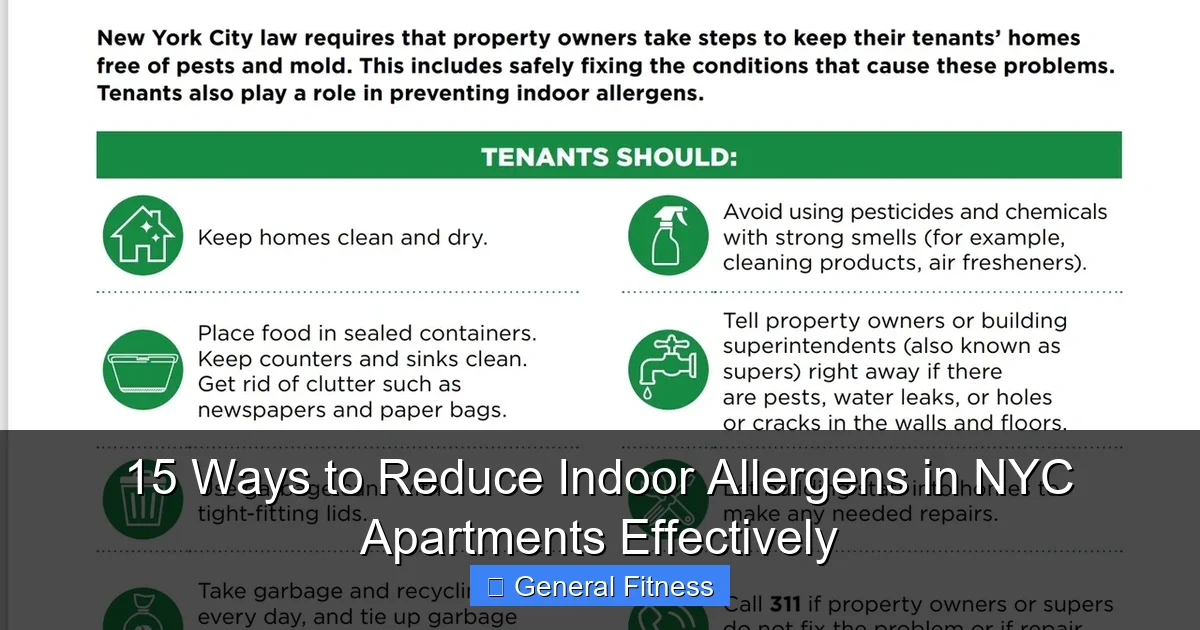
Visual guide about 15 Ways to Reduce Indoor Allergens in NYC Apartments Effectively
Image source: cdn11.bigcommerce.com
- Dust mites: Tiny creatures that thrive in bedding, carpets, and upholstery.
- Pet dander: Skin flakes from cats, dogs, and other pets.
- Mold spores: Fungi that grow in damp or poorly ventilated areas.
- Cockroach droppings: A common trigger in urban apartments.
- Pollen: Can enter from outside, especially during spring and summer.
Why NYC Apartments Are Vulnerable
Many NYC apartments are older buildings with limited ventilation and small spaces. This can cause allergens to build up quickly. Also, the dense city environment means more outdoor pollutants can sneak inside. Recognizing these challenges helps you focus on tailored solutions.
1. Keep Your Apartment Clean Regularly
Dusting and Vacuuming
Dust accumulates fast, and dust mites love it. Use a damp cloth for dusting surfaces to trap particles instead of spreading them around. Vacuum floors, rugs, and upholstery at least twice a week using a vacuum with a HEPA filter to trap allergens effectively.
Cleaning Soft Furnishings
Wash curtains, pillow covers, and bed linens weekly in hot water (130°F or higher) to kill dust mites. Consider using allergen-proof covers for mattresses and pillows to create a barrier against mites and pet dander.
2. Control Humidity Levels
Why Humidity Matters
Humidity above 50% encourages dust mites and mold growth. NYC’s climate can be humid during summer, so controlling moisture is key.
Use a Dehumidifier
Place a dehumidifier in areas prone to dampness like bathrooms and basements. Aim to keep indoor humidity between 30-50%. Use a hygrometer to monitor levels.
Fix Leaks Promptly
Leaks under sinks, around windows, or in bathrooms can cause mold. Repair any water issues quickly to prevent mold spores from spreading.
3. Optimize Ventilation
Fresh Air Without Allergens
Ventilation reduces indoor pollutants but can also bring in pollen and pollution. Use window screens and avoid opening windows during high pollen days, especially in spring.
Use Exhaust Fans
Bathrooms and kitchens should have working exhaust fans to remove moisture and cooking odors that may harbor allergens.
Air Exchange Systems
If your apartment allows, consider installing a heat recovery ventilator (HRV) or energy recovery ventilator (ERV) to exchange stale indoor air with fresh filtered outdoor air efficiently.
4. Invest in Air Purifiers and Quality Filters
Choose HEPA Air Purifiers
HEPA (High-Efficiency Particulate Air) purifiers can capture 99.97% of particles down to 0.3 microns. Place them in bedrooms and living areas to reduce airborne allergens.
Upgrade HVAC Filters
Replace your HVAC filter with a high MERV rating filter that traps smaller particles. Change filters every 1-3 months depending on usage.
5. Reduce Allergen Sources
Choose Hypoallergenic Furnishings
Select furniture and bedding made from materials less likely to trap allergens. For example, leather or vinyl furniture is easier to wipe down than fabric.
Limit Carpets and Rugs
Carpets trap dust and allergens. If possible, replace wall-to-wall carpets with hardwood, laminate, or tile flooring. Use washable area rugs instead.
Pet Management
If you have pets, bathe and groom them regularly. Keep pets out of bedrooms and off furniture to reduce dander buildup.
6. Adopt Lifestyle Habits to Minimize Allergens
Remove Shoes at the Door
Shoes can track in pollen, dirt, and other allergens. Use a shoe rack near the entrance and encourage household members and guests to leave shoes at the door.
Wash Hands and Change Clothes
After being outside, wash your hands and change clothes to avoid bringing outdoor allergens indoors.
Use Allergen-Reducing Products
Consider using allergen-reducing sprays on fabrics and surfaces. These products can help neutralize allergens.
7. Manage Mold and Pest Control
Mold Prevention
Keep bathrooms dry by wiping down wet surfaces after showering. Use mold-resistant paint in damp areas.
Pest Control
Seal cracks and holes to prevent cockroaches and rodents. If you notice pests, use professional pest control services promptly to eliminate allergens that pests create.
Conclusion
Reducing indoor allergens in NYC apartments is achievable with consistent effort and smart strategies. By keeping your home clean, controlling humidity, optimizing ventilation, and minimizing allergen sources, you create a comfortable, healthier environment. These changes not only help allergy sufferers but improve overall wellbeing and fitness at home.
Living allergen-free in a NYC apartment means you can focus on enjoying the city’s vibrant lifestyle – from staying active to grabbing a coffee at your favorite local spot. For inspiration on maintaining a healthy lifestyle in the city, check out our guide on How To Stay Fit In New York City. And if you’re often on the go, learning How To Choose A Commuter Backpack For Better Posture will keep you comfortable as you navigate busy streets.
Start applying these tips today and breathe easier in your NYC apartment!
Frequently Asked Questions
What are the most common indoor allergens in NYC apartments?
The most common indoor allergens include dust mites, pet dander, mold spores, cockroach droppings, and pollen that enters from outside. These allergens can trigger allergy symptoms and worsen respiratory conditions.
How often should I clean to reduce allergens effectively?
Dusting with a damp cloth and vacuuming with a HEPA-filter vacuum at least twice a week is recommended. Washing bedding weekly in hot water also helps eliminate dust mites.
Can air purifiers really help with indoor allergens?
Yes, HEPA air purifiers capture tiny particles like dust, pet dander, and pollen, improving air quality. Place them in frequently used rooms for best results.
Is controlling humidity important for allergy relief?
Absolutely. Keeping indoor humidity between 30-50% prevents dust mites and mold growth, both of which thrive in moist environments.
How can I prevent outdoor allergens from entering my apartment?
Use window screens, keep windows closed during high pollen seasons, and remove shoes at the door to limit allergens coming inside.
What should I do if I have pets and allergies?
Regularly groom and bathe your pets, keep them out of bedrooms, and use allergen-proof bedding to reduce pet dander exposure.