
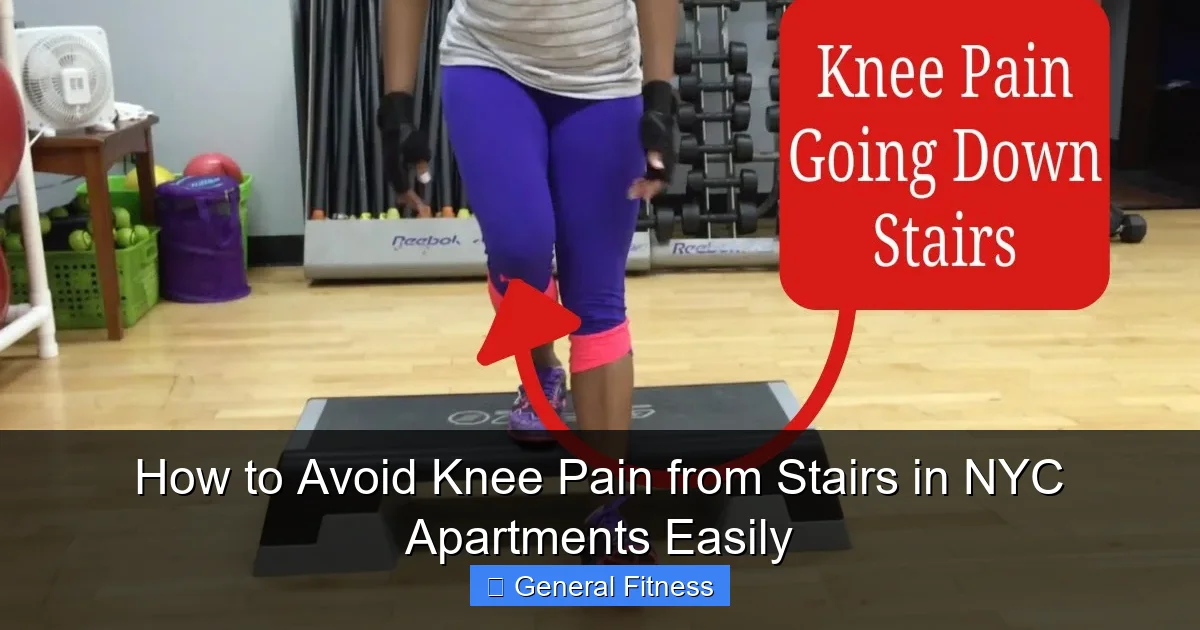
How to Avoid Knee Pain from Stairs in NYC Apartments Easily
Knee pain from stairs is a common issue for NYC apartment dwellers, but it doesn’t have to disrupt your daily life. By adopting simple strategies like improving your stair technique, strengthening key muscles, and making smart lifestyle choices, you can easily avoid knee discomfort and enjoy climbing stairs with ease.
Key Takeaways
- Proper stair climbing technique: Using the right form reduces knee strain and prevents pain.
- Strengthening leg muscles: Exercises targeting quads, hamstrings, and calves support knee joints effectively.
- Maintain healthy weight: Less body weight means less pressure on your knees when climbing stairs.
- Use supportive footwear: Shoes with good cushioning and grip can protect your knees.
- Take breaks and pace yourself: Avoid rushing; rest if your knees start feeling uncomfortable.
- Consider physical aids: Handrails and knee braces can provide extra support and stability.
- Consult professionals early: Don’t ignore persistent knee pain; seek advice to avoid worsening conditions.
📑 Table of Contents
Introduction
Living in a New York City apartment often means dealing with stairs daily. Whether your building lacks an elevator or you prefer the stairs for a bit of exercise, this can take a toll on your knees if you’re not careful. Knee pain is a common complaint among many NYC residents, and stairs are often the culprit.
But the good news is, you don’t have to suffer in silence or avoid stairs altogether. There are many simple, effective ways to protect your knees and prevent pain. In this article, I’ll share practical tips and strategies that you can apply easily in your day-to-day life to keep your knees healthy and strong while navigating those NYC apartment stairs.
Let’s dive into the root causes of knee pain from stairs, and how you can avoid it with smart habits, muscle strengthening, and the right mindset.
Understanding Why Stairs Can Hurt Your Knees
How Stairs Impact Knee Joints
When you climb or descend stairs, your knees experience more pressure than walking on flat surfaces. Going downstairs especially increases the load on your knee joint because your quadriceps muscles must work hard to control the descent and absorb impact. This repeated stress can lead to inflammation, pain, and sometimes injury.
Common Causes of Knee Pain on Stairs
- Weak muscles: Insufficient strength in leg muscles means your knees absorb more shock.
- Incorrect technique: Poor posture or foot placement can increase joint stress.
- Overuse: Frequent stair climbing without proper recovery causes strain.
- Existing conditions: Arthritis, tendonitis, or previous injuries can worsen with stairs.
Master Proper Stair Climbing Technique
Step Smart: How to Step Up and Down
Using the right technique can make a huge difference in knee comfort. When going up stairs, push through your entire foot, not just the toes, and engage your glutes and thighs to lift your body. Keep your knee aligned with your foot — don’t let it cave inward.
When coming downstairs, try to land softly on your heels first, then lower your foot fully. This helps reduce shock on the knees. Avoid locking your knees straight as you descend; keep a slight bend to absorb impact.
Use Handrails for Support
Don’t hesitate to hold onto handrails. They help distribute some of your body weight and provide balance, especially if your knees feel weak or painful. This simple habit can significantly reduce knee stress.
Maintain Good Posture
Keep your back straight and shoulders relaxed. Leaning too far forward or backward can throw off your balance and put uneven pressure on your knees. If you carry bags or backpacks, ensure they fit well and don’t cause you to lean awkwardly — for tips on choosing backpacks that support good posture, check out How To Choose A Commuter Backpack For Better Posture.
Strengthen Your Legs and Core to Support Your Knees
Key Muscle Groups to Target
Strong muscles around your knees act like shock absorbers. The quadriceps (front thigh), hamstrings (back thigh), calves, and glute muscles are all crucial. A strong core adds stability and balance, reducing knee strain.
Simple Exercises You Can Do at Home
- Squats: Keep your feet shoulder-width apart and lower yourself as if sitting in a chair. Don’t let your knees go past your toes.
- Lunges: Step forward with one leg and lower your hips until both knees are bent at about 90 degrees.
- Calf Raises: Stand on your toes and slowly lower back down.
- Step-Ups: Use a low, sturdy platform or step and step up and down slowly.
- Planks: Hold your body straight on your elbows and toes to strengthen your core.
Consistency is Key
Doing these exercises 3-4 times a week will build strength gradually and protect your knees. If you’re new to exercise or unsure, consult a physical therapist to tailor a routine for you.
Adopt Healthy Lifestyle Habits to Reduce Knee Pain
Maintain a Healthy Weight
Extra body weight increases pressure on your knees, especially on stairs. Even losing a few pounds can make a big difference. Eating balanced meals and staying active — you can find great ideas on how to keep moving in the city in How To Stay Fit In New York City — will support your joint health and overall wellness.
Wear Supportive and Comfortable Footwear
Choose shoes with good arch support, cushioning, and non-slip soles to reduce impact and prevent slips. Avoid high heels or worn-out shoes when using stairs.
Stay Hydrated and Nourished
Proper hydration keeps joint cartilage healthy. Include foods rich in omega-3 fatty acids, antioxidants, and vitamins D and C to support joint function and reduce inflammation.
Use Practical Aids and Modifications in Your NYC Apartment
Install or Use Handrails
If your apartment stairs lack sturdy handrails, ask your building management to install them. Handrails provide safety and reduce knee strain.
Consider Knee Braces or Supports
If you experience knee pain regularly, wearing a supportive knee brace can help stabilize your joint during stair climbing.
Take Breaks and Pace Yourself
Don’t rush up or down the stairs. Move at a comfortable pace and rest if you feel any discomfort. Overexertion worsens knee issues.
When to Seek Medical Help
Recognize Warning Signs
Persistent knee pain, swelling, instability, or difficulty walking are signs you should see a healthcare professional. Early diagnosis and treatment prevent long-term damage.
Physical Therapy and Treatment Options
A physical therapist can provide personalized exercises and manual therapy to relieve pain and strengthen your knees. In some cases, medications or injections may be recommended.
Advanced Solutions
For severe cases, surgical options exist but are a last resort. Most people manage well with conservative care and lifestyle changes.
Conclusion
Living in a NYC apartment with stairs doesn’t have to mean living with knee pain. By understanding how stairs impact your knees and adopting proper techniques, strengthening exercises, and healthy habits, you can protect your knees and enjoy your active lifestyle.
Remember to pace yourself, use available supports like handrails, and listen to your body. If pain persists, seek professional advice early. With these simple steps, you’ll find climbing stairs easier and pain-free in no time.
For more ideas on staying healthy and active in city life, explore our other guides like How To Stay Fit In New York City and keep your wellness journey thriving.
🎥 Related Video: Staircase Without Bottom Support
📺 Tech Moments
The Catalan vault or Escalera bóveda is a traditional architectural technique that uses thin bricks or tiles laid flat rather than on …
Frequently Asked Questions
Why do stairs cause knee pain?
Stairs put extra pressure on your knee joints, especially when descending, because your muscles must control your body weight, leading to strain or inflammation.
How can I climb stairs without hurting my knees?
Use proper technique by keeping your knees aligned with your feet, push through your whole foot going up, land softly going down, and hold onto handrails for support.
What exercises help prevent knee pain from stairs?
Strengthening exercises like squats, lunges, calf raises, step-ups, and planks build muscles that support your knees and reduce pain.
Does losing weight help reduce knee pain?
Yes, losing excess weight lowers the pressure on your knees, making stair climbing easier and less painful.
Should I use a knee brace for stair-related pain?
Knee braces can provide extra support and stability during stair climbing, but it’s best to consult a healthcare professional to find the right type for you.
When should I see a doctor about knee pain?
If your knee pain is persistent, severe, or accompanied by swelling and instability, see a doctor or physical therapist for proper diagnosis and treatment.