
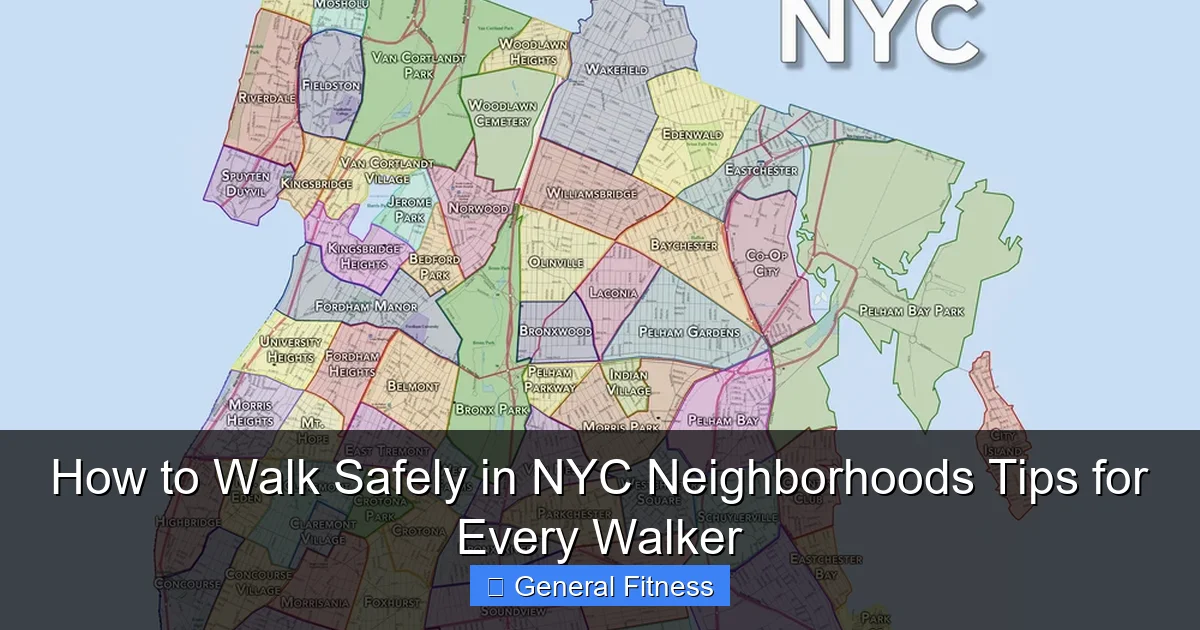
How to Walk Safely in NYC Neighborhoods Tips for Every Walker
Walking in New York City neighborhoods can be both exciting and safe when you know the right strategies. This guide offers practical tips for every walker to navigate the city streets confidently, stay aware, and enjoy your fitness walks without worry.
Key Takeaways
- Stay alert and aware: Always keep your senses sharp to avoid potential hazards or unsafe situations.
- Plan your route: Choose well-lit, populated streets and avoid shortcuts through unfamiliar or isolated areas.
- Use pedestrian signals and crosswalks: Follow traffic rules to ensure safe crossings at intersections.
- Walk confidently and purposefully: Your body language can deter unwanted attention.
- Keep valuables secure and discreet: Avoid flashing expensive items or electronics openly.
- Consider walking with a buddy: Walking with someone else increases safety and enjoyment.
- Leverage local resources: Know where nearby spots like coffee shops or public places are for breaks or safety.
📑 Table of Contents
- How to Walk Safely in NYC Neighborhoods Tips for Every Walker
- 1. Plan Your Walking Route Ahead of Time
- 2. Stay Alert and Be Mindful of Your Environment
- 3. Walk Confidently and Protect Your Personal Space
- 4. Use Safety Tools and Technology
- 5. Walk in Groups or During Busy Times When Possible
- 6. Responding to Unsafe Situations
- Conclusion
How to Walk Safely in NYC Neighborhoods Tips for Every Walker
Walking is one of the best ways to explore New York City’s vibrant neighborhoods, soak in its energy, and maintain your fitness. But like any big city, walking in NYC requires some smart safety measures to ensure your stroll is enjoyable and secure. Whether you’re a local, a visitor, or someone who loves a good urban fitness walk, knowing how to stay safe on the streets is key.
New York is a city that never sleeps, bustling with millions of people every day. While this means you’re rarely alone, it also means it’s crucial to stay alert and take steps that protect you from common risks. From choosing your route carefully to being mindful of your surroundings, many small actions can add up to a safer walking experience.
In this guide, we’ll walk you through practical, easy-to-follow tips on how to navigate NYC neighborhoods safely. You’ll learn how to prepare before you head out, what to watch for while walking, and how to respond if something feels off. Let’s get started on making your city walks both safe and enjoyable!
1. Plan Your Walking Route Ahead of Time
Pick Well-Lit and Busy Streets
Before you head out, take a moment to map your walk. NYC neighborhoods vary greatly, so it’s best to stick to streets that are busy and well-lit, especially if you’re walking early in the morning or after dark. Avoid shortcuts through parks, empty lots, or alleyways where fewer people are around.
Use Trusted Map Apps and Resources
Apps like Google Maps or CityMapper can help you identify pedestrian-friendly routes. Some apps even show real-time crime data or safer walking paths. Planning your walk using technology can reduce surprises and keep you on track.
Know Your Surroundings
Familiarize yourself with landmarks or safe spots along your route. Coffee shops, convenience stores, and public buildings can be good places to stop if you need help or a break. For instance, if you find yourself near neighborhoods with great local coffee shops, like those highlighted in this guide, you can plan a quick stop to recharge safely.
2. Stay Alert and Be Mindful of Your Environment
Keep Your Head Up and Avoid Distractions
One of the simplest yet most effective safety tips is to stay aware. Avoid looking down at your phone constantly or wearing headphones at high volume. When you’re alert, you can spot potential dangers or changes in your environment more quickly.
Trust Your Instincts
If something feels off, it probably is. Don’t hesitate to change your path or cross the street if you feel uncomfortable. Your intuition is a powerful tool for staying safe.
Observe Traffic and Pedestrian Signals
NYC streets can be chaotic. Always use crosswalks and obey pedestrian lights to avoid accidents. Watch for turning vehicles and don’t assume that drivers see you. Eye contact with drivers before crossing can increase your safety.
3. Walk Confidently and Protect Your Personal Space
Body Language Matters
Walk with purpose. Keeping your head up and your pace steady signals confidence. This can deter unwanted attention since you look aware and in control.
Keep Valuables Secure
Don’t flash expensive items like phones, jewelry, or large amounts of cash. Use zipped bags or keep valuables in inside pockets. Being discreet with your belongings lowers the chance of theft.
Maintain Awareness of People Around You
Try not to get too close to strangers and keep a comfortable distance. If someone seems to be following you, change direction or head towards a crowded place.
4. Use Safety Tools and Technology
Carry a Phone and Emergency Contacts
Always carry a fully charged phone and have emergency contacts handy. NYC has excellent cell coverage, so calling for help is usually quick and reliable.
Consider Personal Safety Devices
Items like whistles, personal alarms, or pepper spray (where legal) can provide extra security. These can deter attackers and alert others if you’re in trouble.
Share Your Route and ETA
Let a trusted friend or family member know your planned walking route and expected arrival time. This way, someone is aware of your location and can check in if needed.
5. Walk in Groups or During Busy Times When Possible
The Power of Numbers
Walking with a friend or in a group makes you less vulnerable. If you don’t have company, try to walk during daylight or peak hours when more people are out.
Join Walking Groups or Fitness Clubs
NYC has many community walking clubs and fitness groups that organize safe walks. Joining these groups not only boosts safety but also makes walking more social and fun.
Use Public Spaces and Parks Wisely
Some parks and public areas are safer during the day but less so at night. Stick to well-patrolled parks and avoid isolated spots when it’s dark.
6. Responding to Unsafe Situations
Stay Calm and Look for Help
If you find yourself in an uncomfortable or threatening situation, try to stay calm. Look for nearby people, shops, or public places where you can get assistance.
Call 911 When Necessary
Don’t hesitate to call emergency services if you feel threatened or witness suspicious activity. NYC’s emergency services are responsive and trained to help quickly.
Report Suspicious Behavior
Helping keep neighborhoods safe is a community effort. Reporting suspicious behavior to local authorities can prevent incidents and protect others.
Conclusion
Walking in NYC neighborhoods is a wonderful way to stay fit and experience the city’s unique character. By planning your route, staying alert, walking confidently, and using safety tools, you can enjoy your walks with peace of mind. Remember, safety starts with awareness and preparation, so keep these tips in mind every time you step out. Happy walking!
If you’re looking for great local spots to combine your walks with a coffee break, check out our guides on the 10 Best Coffee Shops In West Los Angeles Ca and 10 Best Coffee Shops In East Philadelphia Pa for ideas on where to pause safely and enjoy the city vibes.
Frequently Asked Questions
What are the safest times to walk in NYC neighborhoods?
The safest times are typically during daylight hours and busy periods when more people are around. Early mornings and evenings can be safe if you stick to well-lit, populated streets.
How can I stay alert while walking in busy NYC streets?
Avoid distractions like loud music or phone use. Keep your head up, observe your surroundings, and trust your instincts if something feels unusual.
Is it safer to walk alone or with others in NYC?
Walking with others is generally safer, especially in unfamiliar or less busy areas. Groups can deter unwanted attention and provide support if needed.
What should I do if I feel threatened while walking?
Stay calm, move towards populated or public areas, and call 911 if necessary. Don’t hesitate to ask for help from nearby people or businesses.
Are there any tools that can help improve walking safety?
Yes, personal safety devices like alarms or whistles can help. Also, carrying a charged phone and sharing your route with someone increases your safety.
Can planning my walking route reduce risks?
Absolutely. Planning helps you choose safe, well-lit, and populated streets, avoiding isolated or risky areas. Using map apps can make this easier and more effective.