
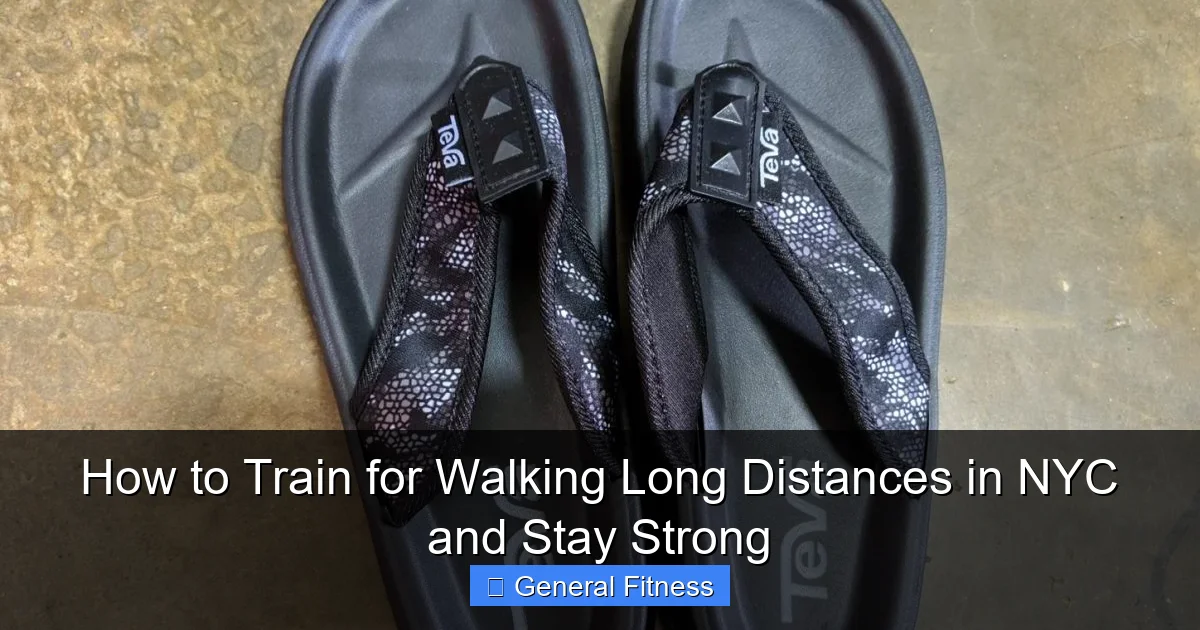
How to Train for Walking Long Distances in NYC and Stay Strong
Walking long distances in NYC can be a rewarding experience with stunning views and vibrant neighborhoods. This guide covers how to train effectively, stay strong, and enjoy every step of your urban adventure. From building endurance to choosing the right gear, you’ll be ready to conquer the city streets with confidence.
Key Takeaways
- Start slow and build gradually: Increase your walking distances progressively to avoid injury and improve stamina.
- Wear proper footwear: Invest in quality walking shoes suited for NYC’s pavement and varied terrain.
- Strengthen your body: Incorporate exercises targeting core, legs, and posture to support long walks.
- Plan your routes wisely: Use NYC’s parks, waterfronts, and varied neighborhoods for enjoyable training walks.
- Stay hydrated and fueled: Carry water and snacks, especially for longer walks in the city heat or cold.
- Use ergonomic gear: A well-chosen commuter backpack can improve posture and reduce fatigue.
- Listen to your body: Rest and recover to avoid burnout and injuries while training.
📑 Table of Contents
- How to Train for Walking Long Distances in NYC and Stay Strong
- 1. Build Your Walking Endurance Gradually
- 2. Choose the Right Footwear for NYC Walking
- 3. Strengthen Your Body to Support Long Walks
- 4. Gear Up: Essentials for Comfortable City Walking
- 5. Plan Your Routes and Timing for Success
- 6. Stay Motivated and Monitor Your Progress
- Conclusion
How to Train for Walking Long Distances in NYC and Stay Strong
Walking is one of the best ways to explore New York City. Whether you’re commuting, sightseeing, or just enjoying the urban energy, being able to walk long distances comfortably can enhance your experience. But walking several miles in NYC’s bustling streets can be challenging if you’re not prepared. This guide will show you how to train properly for walking long distances in NYC, so you can stay strong, avoid common pitfalls, and enjoy every step.
From the concrete sidewalks of Manhattan to the hilly paths of Brooklyn and the scenic trails of Central Park, NYC offers a variety of walking environments. Training for these conditions requires smart planning, the right gear, and a focus on your body’s needs. Let’s dive into practical tips and strategies to help you build endurance, strength, and confidence for those city strolls.
1. Build Your Walking Endurance Gradually
Start With Manageable Distances
If you’re new to long-distance walking, don’t jump straight into 10 miles a day. Begin with distances you can comfortably handle, like 1 to 2 miles, and increase from there. Walking every other day helps your body adapt without overdoing it.
Increase Distance Weekly
Try to add about 10% more distance each week. For example, if you walk 2 miles this week, aim for 2.2 miles next week. This gradual increase helps build stamina and prevents injuries.
Incorporate Rest Days
Rest is just as important as walking. Your muscles need time to recover and strengthen. Include at least one or two rest days weekly, or do light activities like stretching or yoga on those days.
Use the City as Your Training Ground
Explore different NYC neighborhoods during your training walks. Try walking in Central Park, along the Hudson River Greenway, or through Brooklyn’s Prospect Park. This variety keeps training interesting and prepares you for different terrains.
2. Choose the Right Footwear for NYC Walking
Invest in Quality Walking Shoes
City sidewalks are hard and unforgiving. Wearing the right shoes can protect your feet and joints. Look for shoes with good cushioning, arch support, and shock absorption. Popular walking shoe brands offer models specifically designed for urban walking.
Break In Your Shoes
Don’t wear new shoes for a long NYC walk without breaking them in first. Use them during shorter training walks to avoid blisters and discomfort.
Consider Weather and Season
NYC weather varies widely. In summer, breathable shoes are best to prevent overheating. In winter, waterproof and insulated shoes help keep your feet warm and dry.
Replace Shoes Regularly
Shoes lose cushioning after about 300-500 miles. If your shoes feel worn out or cause discomfort, it’s time to get a new pair to protect your feet during long walks.
3. Strengthen Your Body to Support Long Walks
Focus on Core Strength
A strong core improves posture and balance, reducing fatigue on long walks. Incorporate planks, bridges, and abdominal exercises into your routine.
Work on Leg and Glute Muscles
Walking uses your legs and glutes extensively. Squats, lunges, and step-ups can build the muscle strength needed for endurance.
Improve Posture With Shoulder and Back Exercises
Good posture prevents strain. Exercises like rows, shoulder blade squeezes, and chest stretches help maintain an upright position, especially if you carry a backpack.
Stretch and Warm Up
Before long walks, warm up with light dynamic stretches. After walking, stretch your calves, hamstrings, and quads to reduce soreness.
4. Gear Up: Essentials for Comfortable City Walking
Use a Commuter Backpack for Better Posture
Carrying essentials like water, snacks, and a light jacket is easier with a well-fitted commuter backpack. Choose one that distributes weight evenly and supports your back. For tips on selecting the perfect backpack, check out our detailed guide on How To Choose A Commuter Backpack For Better Posture.
Dress in Layers
NYC weather can change quickly. Wear moisture-wicking layers that you can add or remove as needed. Lightweight hats and sunglasses are great for sun protection.
Hydration and Nutrition
Carry a reusable water bottle and stay hydrated, especially during warmer months. Small snacks like nuts or energy bars can keep your energy up on longer walks.
Use Walking Poles if Needed
Some walkers find lightweight poles helpful for stability and reducing joint impact, especially on hilly routes like those in parts of Brooklyn and Staten Island.
5. Plan Your Routes and Timing for Success
Choose Scenic and Safe Routes
NYC offers many scenic walking paths that are also safe and convenient. Central Park and the High Line are favorites. The Brooklyn Bridge walk combines great views with manageable distance.
Use Apps and Maps
Apps like MapMyWalk or Google Maps help track your distance and find new routes. Planning helps you avoid busy traffic times for a more pleasant experience.
Walk During Off-Peak Hours
Early mornings or late afternoons tend to be less crowded, making walking more enjoyable and safer.
Incorporate Breaks
Plan short breaks at benches, parks, or coffee shops. NYC is full of great spots to rest and recharge. Consider visiting one of the city’s many coffee shops to refuel for the next leg of your walk.
6. Stay Motivated and Monitor Your Progress
Set Realistic Goals
Having clear goals, like walking a certain number of miles per week, keeps you motivated. Celebrate small milestones to stay encouraged.
Track Your Walks
Use a fitness tracker or smartphone app to monitor your distance, pace, and calories burned. Seeing progress helps maintain enthusiasm.
Join Walking Groups or Challenges
Joining local walking groups or participating in NYC walking challenges adds a social element and accountability.
Listen to Your Body
If you feel pain or excessive fatigue, take a break or consult a healthcare professional. Rest days prevent burnout and injuries.
Conclusion
Training for walking long distances in NYC is both achievable and rewarding. By building endurance gradually, choosing the right shoes, strengthening your body, and planning smart routes, you’ll be able to explore the city’s vibrant streets without discomfort or fatigue. Remember to gear up appropriately, stay hydrated, and listen to your body throughout your training journey.
Walking in New York City is more than just exercise—it’s an adventure. With proper training and preparation, you can enjoy the city’s unique neighborhoods, parks, and landmarks on foot, feeling strong and confident every step of the way. For more tips on staying active and healthy in the city, check out our guide on How To Stay Fit In New York City.
🎥 Related Video: Running Routine for Beginners
📺 Matthew Choi
Frequently Asked Questions
How often should I train to walk long distances in NYC?
Ideally, start by walking 3-4 times a week and gradually increase your distance. Allow rest days to help your body recover and build endurance safely.
What type of shoes are best for walking long distances on city sidewalks?
Choose walking shoes with good cushioning, arch support, and shock absorption. Make sure they fit well and are broken in before long walks.
How can I avoid foot pain and blisters during long NYC walks?
Wear moisture-wicking socks, break in your shoes, and consider using blister prevention products. Also, keep your feet dry and take breaks if needed.
Is it better to walk early in the morning or later in the evening?
Early mornings or late afternoons are often less crowded and cooler, making walks more comfortable and enjoyable in NYC.
What gear should I carry for long-distance walking in the city?
Bring a comfortable commuter backpack with water, snacks, a light jacket, and any personal items. Dressing in layers and using sun protection is also recommended.
Can strength training help improve my walking endurance?
Yes, strengthening your core, legs, and back improves posture and stamina, reducing fatigue and risk of injury during long walks.