
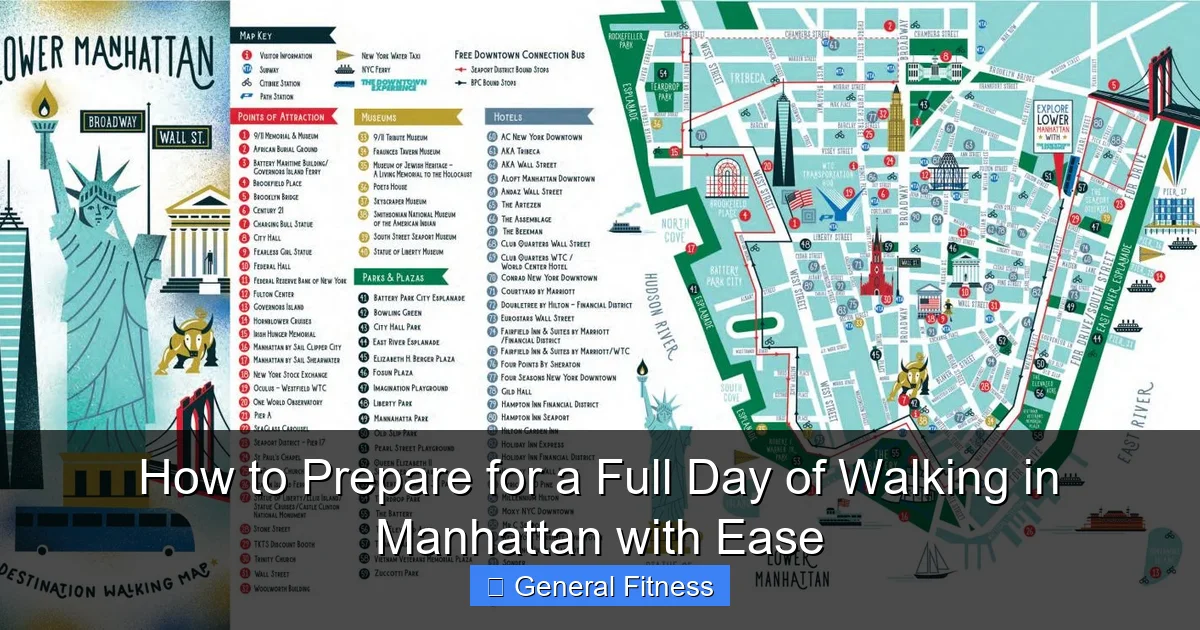
How to Prepare for a Full Day of Walking in Manhattan with Ease
Walking all day in Manhattan can be an exhilarating experience if you are well-prepared. From choosing the right shoes to packing smart, this guide covers everything you need to know to enjoy your full day of walking with ease and comfort.
Key Takeaways
- Choose Comfortable Footwear: Invest in supportive, broken-in shoes to prevent blisters and foot pain.
- Pack Light and Smart: Use a well-fitted commuter backpack to carry essentials without straining your posture.
- Stay Hydrated and Nourished: Bring water and snacks to maintain energy and avoid fatigue.
- Plan Your Route: Map out must-see spots and breaks to pace yourself throughout the day.
- Dress Appropriately: Layer clothes and prepare for weather changes common in Manhattan.
- Rest Strategically: Take short breaks in parks or cafes to recharge your body and mind.
- Listen to Your Body: Know your limits and adjust your walking intensity accordingly.
📑 Table of Contents
- How to Prepare for a Full Day of Walking in Manhattan with Ease
- 1. Choose the Right Footwear for Comfort and Support
- 2. Pack Light and Smart: Essentials for Your Day
- 3. Stay Hydrated and Nourished Throughout the Day
- 4. Plan Your Route and Schedule Breaks
- 5. Dress for Comfort and Weather Changes
- 6. Listen to Your Body and Adjust Accordingly
- Conclusion
How to Prepare for a Full Day of Walking in Manhattan with Ease
Manhattan is a city that invites exploration on foot. Its vibrant streets, iconic landmarks, and endless attractions make walking one of the best ways to experience everything it has to offer. However, a full day of walking in Manhattan can be challenging without the right preparation.
Whether you’re a tourist eager to see Times Square, Central Park, and the High Line, or a local on a fitness mission, walking all day requires more than just enthusiasm. You need smart planning, the right gear, and a solid strategy to keep your energy levels high and avoid discomfort.
In this comprehensive guide, I’ll walk you through practical tips to prepare for a full day of walking in Manhattan with ease. Let’s make sure your feet, body, and mind are ready for an unforgettable urban adventure.
1. Choose the Right Footwear for Comfort and Support
Invest in Comfortable Shoes
The foundation of a successful walking day in Manhattan is the right footwear. Choose shoes designed for walking or light hiking, with good arch support and cushioning. Avoid brand-new shoes, as they can cause blisters and soreness.
Break Them In Before Your Trip
Wear your shoes around your neighborhood or on short walks a week before your big day. This breaks in the material and molds the shoes to your feet, reducing the chance of discomfort during your Manhattan trek.
Consider Weather and Terrain
Manhattan sidewalks are mostly flat but can be slippery when wet. Opt for shoes with non-slip soles and breathable materials. For rainy days, waterproof sneakers or boots are a smart choice.
2. Pack Light and Smart: Essentials for Your Day
Choose a Supportive Backpack
A backpack is a must to carry your essentials, but it should not weigh you down. Look for a commuter backpack designed for better posture and comfort. These backpacks distribute weight evenly and reduce strain on your back and shoulders. For tips on selecting the best backpack, check out our guide on How To Choose A Commuter Backpack For Better Posture.
Pack Essentials Only
- Water bottle (refillable)
- Healthy snacks (nuts, granola bars, fruit)
- Portable phone charger
- Map or guidebook (or smartphone with offline maps)
- Sunscreen and lip balm
- Light rain jacket or umbrella
- Hand sanitizer and face mask
Organize Your Backpack
Keep frequently used items at the top for easy access. Use small pouches inside to avoid digging around and losing time during quick stops.
3. Stay Hydrated and Nourished Throughout the Day
Hydration is Key
Walking all day can dehydrate you quickly, especially in summer. Carry a refillable water bottle and sip regularly. Manhattan has plenty of public water fountains and cafes where you can refill for free.
Snack Smart
Energy dips are common with long walks. Pack snacks that are easy to carry and provide sustained energy, like nuts, dried fruit, or energy bars. Avoid sugary snacks that cause spikes and crashes.
Plan Meal Breaks
Schedule lunch or snack breaks at interesting spots. Manhattan boasts countless cafes and eateries. Take advantage of these to rest your feet and enjoy local flavors. If you love coffee, explore some of the best local coffee shops to recharge your energy and mood.
4. Plan Your Route and Schedule Breaks
Map Out Your Day
Manhattan is large, and walking from one end to the other can be exhausting. Plan a route focusing on areas you want to explore and group nearby attractions to minimize backtracking.
Use Landmarks as Checkpoints
Break your walk into manageable sections by using landmarks or parks as rest stops. Central Park, Bryant Park, and Riverside Park are great for a quick rest or a picnic.
Take Breaks Often
Don’t hesitate to pause every hour or so. Sitting down for 5-10 minutes helps your muscles recover and prevents fatigue. If you want to stay fit in New York City while enjoying your walk, check out our advice on How To Stay Fit In New York City.
5. Dress for Comfort and Weather Changes
Layer Your Clothing
Manhattan’s weather can change quickly. Dress in layers you can easily add or remove. Breathable fabrics that wick sweat are ideal for active walking.
Prepare for Rain and Wind
Carry a lightweight rain jacket or compact umbrella, especially if rain is in the forecast. Windproof layers help on breezy days, especially near the waterfront or in open spaces.
Wear Sun Protection
A hat, sunglasses, and sunscreen protect you from sunburn and glare. Even on cloudy days, UV rays can affect your skin.
6. Listen to Your Body and Adjust Accordingly
Recognize Signs of Fatigue
Pay attention to aches, blisters, or unusual tiredness. Taking early breaks or slowing your pace can prevent injuries.
Stretch and Move
Occasionally stretch your calves, hamstrings, and lower back during breaks. Gentle movement keeps your muscles loose and reduces stiffness.
Know When to Call It a Day
If you feel pain or extreme exhaustion, it’s okay to cut your walk short. Manhattan has plenty of public transit options to help you get back comfortably.
Conclusion
Walking a full day in Manhattan can be a wonderful way to experience the city’s energy, sights, and culture up close. Preparation is the key to making it enjoyable and pain-free. By choosing the right footwear, packing smart, staying hydrated, planning your route, dressing appropriately, and listening to your body, you’ll set yourself up for success.
Remember, the goal is to enjoy your adventure with ease, not to push yourself to exhaustion. With these tips, your Manhattan walking day can be as comfortable as it is exciting. Ready to hit the streets? Lace up and go explore!
🎥 Related Video: 9 Best Things to do in New York City (& how to save 50% off!) #newyork #travel #nyc
📺 Kirsten Wendlandt
If you’re looking for a quick mini guide to some of the best things to do in new york city this is for you! Plus I’m about to share how …
Frequently Asked Questions
What type of shoes is best for walking all day in Manhattan?
Opt for comfortable, supportive walking shoes with good arch support and cushioning. Make sure they are well broken in to avoid blisters and soreness.
How much water should I bring for a day of walking in the city?
Carry at least a 16-20 oz refillable water bottle and refill throughout the day. Staying hydrated is crucial, especially in warm weather.
Is it better to carry a backpack or a shoulder bag while walking all day?
A well-fitted commuter backpack is better as it distributes weight evenly and supports posture, reducing strain on your back and shoulders.
What snacks are ideal for maintaining energy during long walks?
Choose healthy snacks like nuts, granola bars, dried fruit, or fresh fruit. These provide sustained energy without sugar crashes.
How often should I take breaks while walking in Manhattan?
Take short breaks every hour or so to rest your feet and stretch. Using parks or cafes as rest stops can make breaks more enjoyable.
Can I rely solely on walking, or should I combine it with public transport?
While walking is great, combining it with buses or subways can help avoid fatigue, especially if your route covers long distances or you feel tired.