
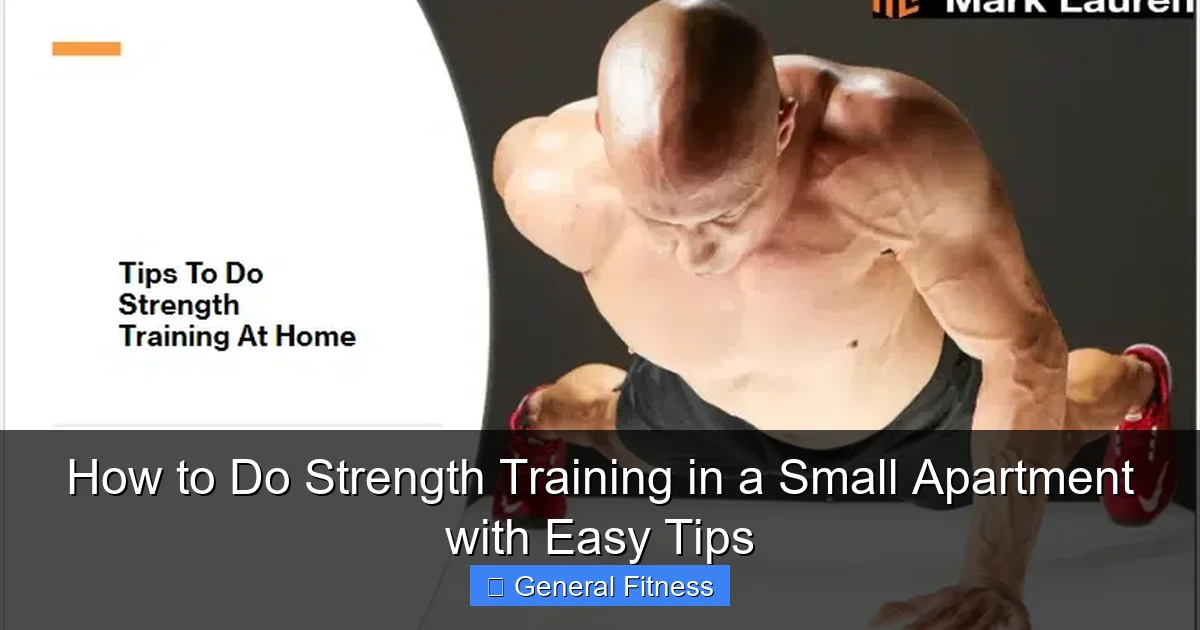
How to Do Strength Training in a Small Apartment with Easy Tips
Strength training in a small apartment is totally doable with the right approach. By using simple equipment and smart workouts, you can build muscle and stay fit without needing a big gym space. These easy tips will help you make the most of your limited area and keep your routine effective and fun.
Key Takeaways
- Maximize small spaces: Use compact or multipurpose equipment designed for limited areas.
- Bodyweight exercises are key: They require no equipment and can build strength efficiently.
- Incorporate resistance bands and dumbbells: Portable and versatile tools perfect for apartments.
- Create a dedicated workout spot: Even a small corner can become your training zone.
- Focus on compound movements: Exercises that work multiple muscle groups save time and space.
- Use creative storage solutions: Keep equipment organized and out of the way when not in use.
- Stay consistent and motivated: Small space workouts can be just as effective as gym sessions.
📑 Table of Contents
- Introduction
- 1. Understanding Your Space and Setting Up Your Workout Area
- 2. Choosing the Right Equipment for Small Spaces
- 3. Designing a Strength Training Routine for Small Spaces
- 4. Practical Tips to Stay Motivated and Consistent
- 5. Overcoming Common Challenges in Apartment Strength Training
- 6. Bonus: Incorporating Cardio and Recovery in Small Spaces
- Conclusion
Introduction
Living in a small apartment often feels like a barrier to keeping up with a regular strength training routine. Limited space and the lack of bulky gym equipment can make it seem impossible to build muscle or maintain fitness. But here’s the good news — strength training in a small apartment is completely achievable with some creativity and smart planning.
Whether you’re a beginner or someone who’s used to a gym environment, adapting your workouts to fit your living space can boost your health and confidence. In this guide, we’ll walk you through practical tips and exercises that require minimal space and equipment. By the end, you’ll see how easy it is to stay strong and fit without stepping outside or needing a lot of gear.
Plus, we’ll share ideas on how to keep your apartment tidy while making room for your workouts, so you never have to feel cramped or overwhelmed. Ready to turn your cozy apartment into a strength training haven? Let’s dive in.
1. Understanding Your Space and Setting Up Your Workout Area
Assess Your Available Space
Before jumping into exercises, take a moment to look around your apartment. Identify a spot where you can comfortably move around—this might be a corner in your living room, a part of your bedroom, or even a balcony if you have one. Even 4 to 6 square feet can be enough for many strength exercises.
Create a Dedicated Workout Zone
Having a consistent workout space helps build routine and focus. You don’t need a large area—just enough room to stretch, move, and place any equipment you use. Use a yoga mat or rug to define this zone. This physical cue can motivate you to train regularly and keep your workouts organized.
Use Vertical and Hidden Storage
To keep your apartment clutter-free, invest in wall hooks, shelves, or storage bins that tuck away your gear when not in use. For example, resistance bands and jump ropes can hang on hooks, while dumbbells can fit under a bed or in a closet. Smart storage keeps your apartment functional and comfortable.
2. Choosing the Right Equipment for Small Spaces
Bodyweight Exercises: Your Best Friend
Bodyweight workouts require zero equipment and minimal space. Movements like push-ups, squats, lunges, and planks are perfect for small apartments. They can be modified to increase difficulty, making them excellent for progressing in strength training.
Resistance Bands
Resistance bands are lightweight, inexpensive, and highly versatile. They come in different tension levels and can be used to simulate weights for curls, presses, and rows. Plus, they take up almost no space and can be stored in a drawer or hung on a wall.
Adjustable Dumbbells or Kettlebells
If you prefer weights, adjustable dumbbells are fantastic for apartments. They replace multiple sets of weights in one compact tool. Kettlebells are also space-efficient and great for dynamic strength exercises. Both options allow you to increase resistance as you get stronger.
Other Compact Tools
Consider items like a suspension trainer (e.g., TRX), which anchors to a door and offers a full-body workout. A sturdy chair or bench can double as equipment for step-ups or tricep dips. These everyday objects add variety without extra clutter.
3. Designing a Strength Training Routine for Small Spaces
Focus on Compound Movements
Compound exercises work several muscle groups at once. Examples include squats, push-ups, and deadlifts (using dumbbells or household items). These moves maximize your time and space, giving you a full-body workout in less room.
Sample Workout Plan
- Warm-up: 5 minutes of light cardio or dynamic stretching
- Bodyweight squats: 3 sets of 12-15 reps
- Push-ups or knee push-ups: 3 sets of 10-12 reps
- Resistance band rows: 3 sets of 12 reps
- Glute bridges: 3 sets of 15 reps
- Plank hold: 3 sets of 30-60 seconds
- Cool-down: Stretch and relax for 5 minutes
This plan can be done in a small corner of your apartment with minimal equipment. Adjust reps and sets based on your fitness level.
Progressive Overload Without Weights
If you don’t have weights, increase difficulty by adding reps, slowing down movements, or pausing at the hardest part of the exercise. For example, try “pause squats” where you hold the squat position for a few seconds before standing. This challenges your muscles further.
4. Practical Tips to Stay Motivated and Consistent
Set Clear Goals
Having a goal keeps you motivated. Whether it’s building muscle, improving endurance, or just staying active, write it down. Track your progress weekly to see improvements, which boosts motivation.
Schedule Your Workouts
Treat your training like an appointment. Set specific times and stick to them. This builds habit and helps you avoid skipping sessions.
Find Inspiration and Support
Follow strength training accounts, join online groups, or find a workout buddy. Sharing your journey can keep you accountable and inspired.
Make It Enjoyable
Play your favorite music, try new exercises, or reward yourself after completing workouts. Enjoyment makes consistency easier.
5. Overcoming Common Challenges in Apartment Strength Training
Noise and Neighbors
Choose low-impact exercises to reduce noise. Avoid jumping or heavy stomping. Use a thick mat to absorb sound. Communicating politely with neighbors about your workout times can also help.
Limited Equipment
Get creative with household items like water bottles or backpacks filled with books to add weight. Resistance bands fill many gaps, and bodyweight exercises remain effective.
Space Constraints
Keep workouts dynamic but compact. Exercises like lunges, planks, and push-ups require minimal space. You can also break your routine into smaller sessions throughout the day if needed.
6. Bonus: Incorporating Cardio and Recovery in Small Spaces
Cardio Options
Jump rope, high knees, or step-ups on a sturdy chair are excellent cardio moves that fit well in apartments. These can be added between strength sets to keep your heart rate up.
Stretching and Mobility
Don’t neglect recovery. Stretching your muscles post-workout reduces soreness and improves flexibility. Use foam rollers or massage balls to aid muscle recovery. These tools are compact and easy to store.
Rest Days and Active Recovery
Plan rest days or light activities like yoga or walking. Staying active supports muscle growth and overall fitness.
Conclusion
Strength training in a small apartment is not only possible—it can be fun, effective, and rewarding. By using bodyweight exercises, resistance bands, and compact equipment, you can build strength without needing a large gym or bulky machines. Setting up a dedicated workout space, focusing on compound movements, and staying consistent are keys to success.
Remember, small spaces demand creativity but also offer a chance to develop discipline and resourcefulness. With these easy tips, your apartment can become your personal fitness studio. So grab your resistance bands, clear a corner, and start building a stronger you today!
For more ideas on maximizing small living spaces, you might also enjoy our guide on mini breakfast stations or explore ways to make your apartment feel cozy with the best small coffee makers. And if you want to unwind after workouts, check out the top coffee shops in West Sacramento for a relaxing treat nearby.
🎥 Related Video: Small Space Workout for Beginners
📺 Justin Agustin
For FULL-LENGTH beginner workout videos, sign up to my online at https://courses.justinagustin.com Exercise from the comfort of …
Frequently Asked Questions
Can I build muscle without weights in a small apartment?
Absolutely! Bodyweight exercises like push-ups, squats, and planks can effectively build muscle. Increasing reps or adding resistance bands also helps create progressive overload.
What are the best compact equipment options for apartment workouts?
Resistance bands, adjustable dumbbells, kettlebells, and suspension trainers are excellent for small spaces. They are versatile and easy to store when not in use.
How can I reduce noise when strength training in an apartment?
Choose low-impact exercises, use a workout mat to absorb sound, and avoid jumping movements. Communicating with neighbors about your workout schedule can also minimize disturbances.
How much space do I need for effective strength training at home?
Usually, 4 to 6 square feet is enough to perform most strength exercises. Having a dedicated spot with room to move your arms and legs is ideal.
How often should I strength train in a small apartment?
Aim for 2-4 sessions per week, depending on your goals and fitness level. Consistency matters more than session length, so find a routine that fits your schedule.
Can I combine strength training with cardio in a limited space?
Yes! Incorporate cardio moves like jump rope, high knees, or step-ups between strength sets. This keeps your heart rate up and improves overall fitness without needing extra space.