
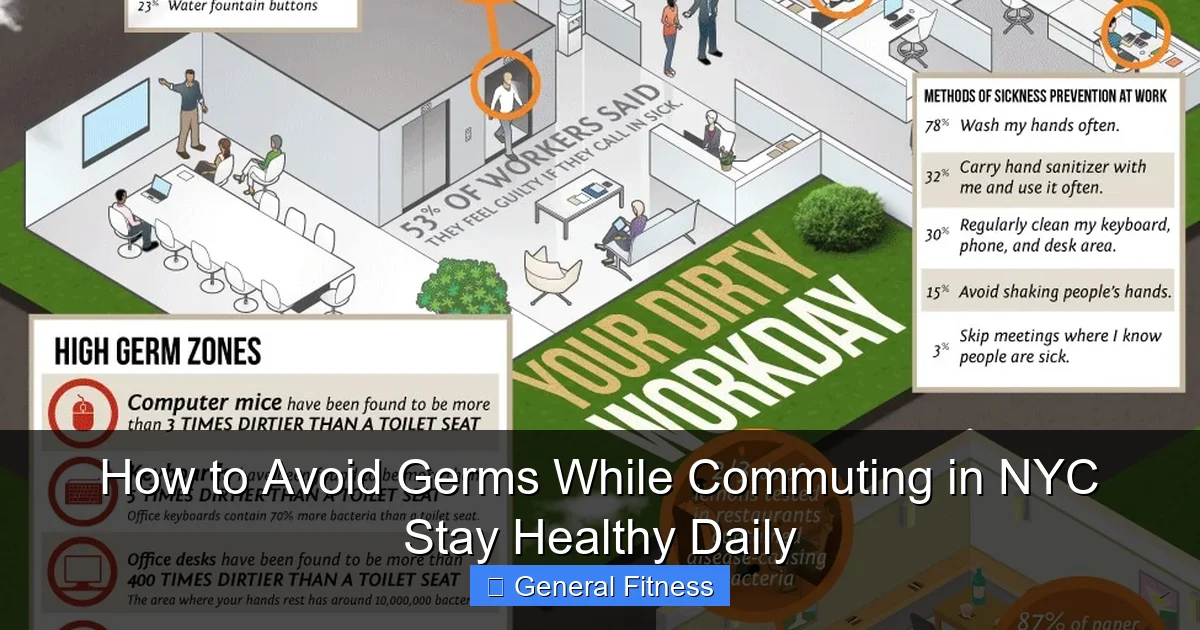
How to Avoid Germs While Commuting in NYC Stay Healthy Daily
Commuting in NYC exposes you to a variety of germs, but with simple habits and smart choices, you can protect yourself daily. This article shares practical tips on how to avoid germs while commuting in NYC, helping you stay healthy and confident on your journey.
Key Takeaways
- Wear a mask: Masks reduce the risk of airborne germs, especially in crowded subway cars and buses.
- Practice hand hygiene: Regularly use hand sanitizer or wash hands to prevent germ transfer.
- Avoid touching your face: Keep your hands away from your eyes, nose, and mouth to reduce infection chances.
- Use contactless payment and apps: Minimize contact with shared surfaces by using digital options for tickets and schedules.
- Choose less crowded times and routes: Traveling off-peak reduces exposure to germs.
- Clean your belongings: Disinfect backpacks and phones regularly to avoid germ buildup.
- Boost your immunity: Healthy habits help your body fight off germs you inevitably encounter.
📑 Table of Contents
- Introduction
- 1. Wear a Mask to Reduce Airborne Germs
- 2. Practice Good Hand Hygiene
- 3. Minimize Contact with High-Touch Surfaces
- 4. Choose Less Crowded Travel Options
- 5. Keep Your Belongings Clean
- 6. Boost Your Immune System for Daily Defense
- Bonus Tip: Find a Comfortable Spot to Relax After Your Commute
- Conclusion
Introduction
New York City’s public transit system is the lifeblood of the city, bustling with millions of commuters every day. While it’s an efficient way to get around, the crowded trains and buses can be hotspots for germs and viruses. If you’re someone who relies on the subway or bus to navigate NYC, it’s natural to worry about catching illnesses during your daily commute.
But don’t fret! Avoiding germs while commuting in NYC is possible with some smart strategies and simple habits. Whether it’s the flu season or just everyday exposure, taking steps to protect yourself can keep you healthier and more comfortable as you travel.
In this article, we’ll explore practical tips for staying germ-free on your NYC commute. From personal hygiene to smart travel choices, these ideas will help you maintain your well-being in the city’s busy transit environment.
1. Wear a Mask to Reduce Airborne Germs
When and Why Masks Matter
Wearing a mask is one of the most effective ways to prevent the spread of germs, especially in enclosed spaces like subway cars and buses. Germs travel through tiny droplets when people cough, sneeze, or even talk. A mask acts as a barrier, reducing the chance of inhaling or spreading these droplets.
Types of Masks to Consider
For commuting, a well-fitted surgical mask or a high-quality cloth mask with multiple layers works well. If you want extra protection, consider N95 or KN95 masks, which filter out smaller particles. Make sure the mask covers your nose and mouth snugly without gaps.
Mask Etiquette Tips
- Replace masks if they become damp or dirty during your commute.
- Carry spare masks in a clean pouch or case.
- Wash reusable masks regularly with soap and hot water.
2. Practice Good Hand Hygiene
Use Hand Sanitizer Frequently
Hand sanitizer with at least 60% alcohol is a commuter’s best friend. Use it after touching surfaces like subway poles, ticket machines, and door handles. Carry a small bottle in your bag for easy access.
When to Wash Your Hands
Whenever possible, wash your hands with soap and water for at least 20 seconds, especially after your commute or before eating. NYC has many public restrooms and some subway stations even offer handwashing facilities.
Avoid Touching Your Face
It’s tempting to rub your eyes or scratch your nose, but germs enter your body mainly through facial membranes. Keep your hands away from your face during your commute to lower infection risks.
3. Minimize Contact with High-Touch Surfaces
Use Contactless Payment Methods
The MetroCard system is shifting to OMNY, a contactless fare payment system using smartphones or credit cards. This helps avoid touching turnstiles or vending machines. If you haven’t switched yet, consider doing so to reduce surface contact.
Carry a Stylus or Use Your Elbow
If you must press buttons or touch screens, use a stylus or your elbow instead of your fingers. This small change can prevent direct germ transfer.
Sanitize Your Hands After Contact
After touching poles, straps, or seats, use your hand sanitizer to clean your hands promptly.
4. Choose Less Crowded Travel Options
Travel During Off-Peak Hours
If your schedule allows, try commuting outside rush hours. Early mornings after peak or mid-afternoon times tend to be less crowded, giving you more space and reducing close contact with others.
Opt for Less Busy Routes
Some subway lines and bus routes are notoriously crowded. If possible, take alternate routes or walk a few blocks between stations to avoid packed trains. Planning your route can make a big difference in your exposure.
Wait for the Next Train or Bus
If a train or bus is too crowded, waiting a few minutes for the next one can help you avoid tight quarters. It’s better to be a bit patient than to squeeze into a germ-heavy space.
5. Keep Your Belongings Clean
Disinfect Your Backpack and Phone
Your belongings can carry germs too. Use disinfectant wipes to clean your commuter backpack, especially if you place it on subway seats or floors. Phones should be wiped down daily with appropriate cleaners, as they are high-touch items.
Choose a Backpack for Comfort and Hygiene
Using a commuter backpack that supports good posture and is easy to clean can enhance your overall health. For tips on selecting the right backpack that also benefits your well-being during daily travel, check out our guide on How To Choose A Commuter Backpack For Better Posture.
Avoid Placing Bags on the Floor
Floors in subways and buses are germ hotspots. Try to keep your bags off the floor by holding them or placing them on your lap or a clean surface.
6. Boost Your Immune System for Daily Defense
Eat Nutritious Meals
Good nutrition supports your immune system. Carry healthy snacks or meals if you have long commutes. For quick and easy breakfast ideas to fuel your day, explore our 10 Best Mini Breakfast Station 3 In 1 Reviews.
Stay Hydrated
Drinking plenty of water helps your body flush out toxins and maintain mucous membrane health, which is your first line of defense against germs.
Get Enough Sleep and Exercise
Sleep and physical activity strengthen your immune response. Walking or biking part of your commute can be a great way to stay active and healthy.
Bonus Tip: Find a Comfortable Spot to Relax After Your Commute
Once you reach your destination, taking a moment to unwind helps reduce stress, which can weaken immunity. If you’re in NYC and need a quick coffee break before work, check out some of the city’s best coffee spots to recharge. While our coffee shop guides focus on other cities, NYC’s vibrant coffee scene offers plenty of cozy spots worth exploring to relax after your commute.
Conclusion
Commuting in NYC doesn’t have to be a health hazard. By wearing a mask, practicing good hand hygiene, minimizing contact with shared surfaces, and making smart travel choices, you can significantly reduce your exposure to germs. Keeping your belongings clean and taking care of your body’s defenses further boosts your chances of staying healthy.
Remember, small daily habits add up to big benefits. Incorporate these tips into your routine and enjoy a safer, more comfortable commute in the city that never sleeps.
🎥 Related Video: How to Protect Yourself from Germs on Public Transit Amid the Coronavirus Outbreak
📺 The Daily Viewer
With the coronavirus now officially reaching New York City, commuters should take precautions while using the subway system so …
Frequently Asked Questions
How effective are masks at preventing germs during NYC commutes?
Masks significantly reduce the spread of airborne germs by blocking respiratory droplets. Wearing a well-fitted mask in crowded places like subways can lower your risk of catching or spreading infections.
Is hand sanitizer enough, or should I wash my hands frequently?
Hand sanitizer with at least 60% alcohol is effective when soap and water aren’t available. However, washing hands thoroughly with soap is best whenever possible, especially after your commute.
Can using contactless payment really reduce germ exposure?
Yes, contactless payments minimize the need to touch shared surfaces like ticket machines and turnstiles, reducing the chance of picking up germs from these common touchpoints.
What’s the best way to clean my phone and backpack from germs?
Use disinfectant wipes designed for electronics to clean your phone daily. For backpacks, wipes or sprays safe for fabric can be used regularly, especially after placing them on subway seats or floors.
Are certain subway lines or times safer for avoiding germs?
Traveling during off-peak hours and choosing less crowded routes reduces close contact with others, lowering germ exposure. Avoiding rush hour can make your commute healthier.
How does boosting my immune system help with germ exposure?
A strong immune system can better fight off germs you encounter. Eating nutritious foods, staying hydrated, getting sleep, and exercising all support your body’s natural defenses.