
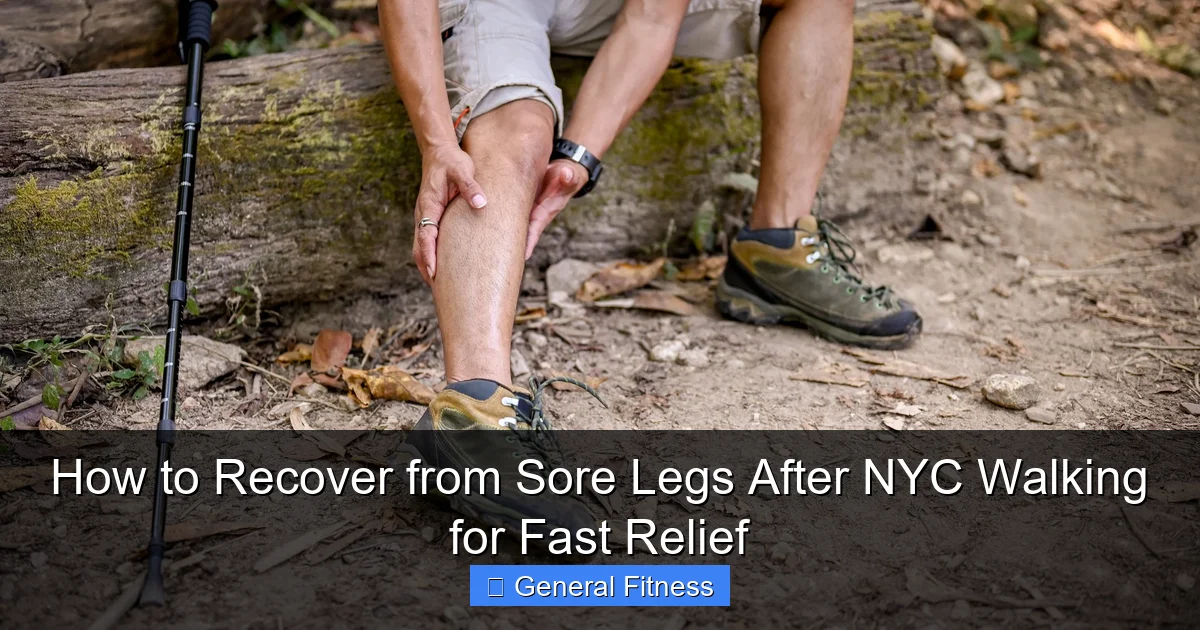
How to Recover from Sore Legs After NYC Walking for Fast Relief
Walking around New York City can leave your legs sore and tired, but quick recovery is possible with the right strategies. This guide explains simple and effective ways to recover from sore legs after NYC walking so you can enjoy your day pain-free and ready to explore more.
Key Takeaways
- Hydration matters: Drinking plenty of water helps flush out toxins and reduce muscle soreness.
- Stretching and gentle movement: Light stretching and walking promote blood flow and ease stiffness.
- Proper footwear: Wearing supportive shoes prevents excessive soreness during long city walks.
- Rest and elevation: Taking breaks and elevating legs reduce swelling and speed up recovery.
- Use of ice and heat therapy: Alternating cold and warm treatments can relieve pain and inflammation.
- Nutrition supports healing: Eating anti-inflammatory foods aids muscle repair.
- Prevention is key: Planning your walking routes and posture can minimize soreness next time.
📑 Table of Contents
- Introduction
- Why Do Your Legs Get Sore After Walking in NYC?
- Hydrate Well to Flush Out Muscle Fatigue
- Stretching and Gentle Movement for Faster Relief
- Rest, Elevation, and Compression
- Ice and Heat Therapy: When and How to Use Them
- Nutrition and Supplements to Support Muscle Recovery
- Preventing Sore Legs on Your Next NYC Walk
- Conclusion
Introduction
New York City is famous for its endless streets, iconic landmarks, and vibrant neighborhoods that invite you to explore on foot. Whether you’re a resident or a visitor, walking is often the best way to experience the city’s energy and charm. But after a day of trekking through bustling avenues and parks, sore legs can quickly set in, leaving you feeling drained and uncomfortable.
Recovering from sore legs after NYC walking doesn’t have to be a slow or painful process. With the right approach, you can ease discomfort, reduce muscle fatigue, and get back to enjoying the city or your daily routine faster. This article will walk you through practical tips and techniques to help your legs recover quickly and effectively.
From hydration and stretching to footwear and nutrition, we’ll cover everything you need to know about recovering from sore legs after NYC walking for fast relief.
Why Do Your Legs Get Sore After Walking in NYC?
The Impact of Long Walks on Your Muscles
Walking long distances, especially on hard concrete surfaces like those in NYC, puts a lot of stress on your leg muscles. Your calves, shins, hamstrings, and quadriceps work overtime to keep you moving. This can cause tiny muscle tears and inflammation, leading to soreness and stiffness.
Hard Surfaces and Uneven Terrain
Unlike softer trails or grassy parks, the city’s concrete sidewalks offer little shock absorption. This increases the impact on your joints and muscles. Plus, uneven pavements, curbs, and stairs add extra strain, causing fatigue and soreness more quickly.
Improper Footwear and Posture
Wearing shoes without proper arch support or cushioning can worsen soreness. Additionally, carrying heavy bags or poor posture while walking can affect how your legs absorb weight and force, increasing discomfort.
Hydrate Well to Flush Out Muscle Fatigue
Why Hydration Helps Muscle Recovery
When you walk long distances, your body loses fluids and electrolytes through sweat. Without proper hydration, your muscles can cramp and feel tired. Drinking enough water helps flush out metabolic waste and reduces muscle soreness.
Best Practices for Staying Hydrated
- Carry a reusable water bottle while walking.
- Drink water before, during, and after your walk.
- Include electrolyte-rich drinks if you sweat heavily.
Keeping hydrated not only helps with recovery but also improves your overall energy levels during your NYC adventures.
Stretching and Gentle Movement for Faster Relief
Simple Stretches to Ease Sore Legs
After your walk, performing light stretches can help relax tight muscles and improve blood flow. Focus on these key stretches:
- Calf Stretch: Stand facing a wall, place one foot behind you, and gently press your heel down.
- Hamstring Stretch: Sit on the ground and reach for your toes, keeping legs straight.
- Quadriceps Stretch: Stand and pull your heel toward your buttock, holding your ankle.
Keep Moving Lightly
While rest is important, completely stopping movement can stiffen muscles. Gentle walking or cycling for 10-15 minutes the day after a long walk helps keep your legs loose and speeds recovery.
Rest, Elevation, and Compression
Importance of Rest
Giving your legs time to recover is essential. Avoid intense physical activity for 24-48 hours after a long walk to allow muscles to repair.
Elevate Your Legs
Prop your legs up on pillows or a footrest to reduce swelling and improve circulation. Elevating your legs above heart level for 15-20 minutes several times a day can ease soreness.
Use Compression Socks
Compression socks or sleeves help reduce muscle fatigue by promoting blood flow and minimizing swelling. Wearing them after a long day of walking in NYC can speed up recovery.
Ice and Heat Therapy: When and How to Use Them
Ice Therapy for Inflammation
If your legs feel swollen or inflamed, apply an ice pack wrapped in a towel for 15-20 minutes. Ice helps reduce swelling and numbs pain.
Heat Therapy for Muscle Relaxation
Use heat packs or warm baths after the initial inflammation reduces—usually 24-48 hours later—to relax tight muscles and improve circulation.
Alternate Between Ice and Heat
For chronic soreness, alternating ice and heat every few hours can provide significant relief by reducing inflammation and promoting healing.
Nutrition and Supplements to Support Muscle Recovery
Eat Anti-Inflammatory Foods
Foods rich in antioxidants and omega-3 fatty acids, like berries, leafy greens, nuts, and fish, help reduce muscle inflammation and speed up recovery.
Protein for Muscle Repair
Consuming adequate protein supports muscle repair. Include lean meats, beans, tofu, or protein shakes in your post-walk meals.
Consider Supplements
Supplements like magnesium and vitamin D can aid muscle function and reduce cramps. Consult your healthcare provider before starting any new supplements.
Preventing Sore Legs on Your Next NYC Walk
Choose the Right Footwear
Invest in comfortable walking shoes with good arch support and cushioning. This simple step can dramatically reduce soreness.
Plan Your Route Wisely
Balance long walking stretches with breaks in parks or cafes. Avoid excessive stairs or uneven surfaces when possible.
Mind Your Posture and Load
Carry lightweight bags or backpacks designed for posture support to avoid extra strain on your legs and back. Learn more about how to choose a commuter backpack for better posture.
Stay Fit Year-Round
Maintaining overall leg strength and flexibility through regular exercise helps your legs handle NYC walking better. Check out our guide on how to stay fit in New York City for practical fitness tips.
Conclusion
Exploring New York City on foot is an unbeatable experience, but sore legs can put a damper on your adventures. The good news is that with proper hydration, gentle stretching, rest, and smart recovery techniques, you can relieve soreness quickly and get back to exploring pain-free.
Remember to listen to your body, wear supportive shoes, and fuel yourself well to prevent soreness in the first place. By following these easy steps on how to recover from sore legs after NYC walking, you’ll be able to enjoy the city’s wonders without missing a beat.
Next time you head out for a long walk, try these strategies for fast relief and lasting comfort.
🎥 Related Video: What do we do to help runners with their recovery?
📺 iMove Physiotherapy
What do we do to help runners with their recovery? Massage, mobilisation, and trigger pointing. #running #recovery #massage …
Frequently Asked Questions
How long does it usually take to recover from sore legs after walking in NYC?
Most mild soreness improves within 24 to 48 hours with proper care such as rest, hydration, and stretching. Severe or persistent pain may require longer recovery or medical attention.
What are the best stretches to do after a long city walk?
Calf stretches, hamstring stretches, and quadriceps stretches are effective for easing leg muscle soreness. Gentle stretching helps improve flexibility and reduce stiffness.
Can wearing compression socks really help with leg soreness?
Yes, compression socks improve blood flow and reduce swelling, which can speed up recovery after long walks. They are especially helpful if you stand or walk a lot daily.
Is it better to use ice or heat for sore legs after walking?
Ice is best used within the first 24-48 hours to reduce inflammation, while heat helps relax muscles and improve circulation after the initial swelling goes down. Alternating both can be beneficial.
How does hydration affect muscle soreness?
Staying well hydrated helps flush out toxins and prevents muscle cramps. Drinking water before, during, and after walking supports faster muscle recovery.
Can diet influence how quickly my legs recover?
Absolutely. Eating anti-inflammatory foods and enough protein supports muscle repair and reduces soreness. Nutrient-rich meals help your body heal faster after physical activity.