
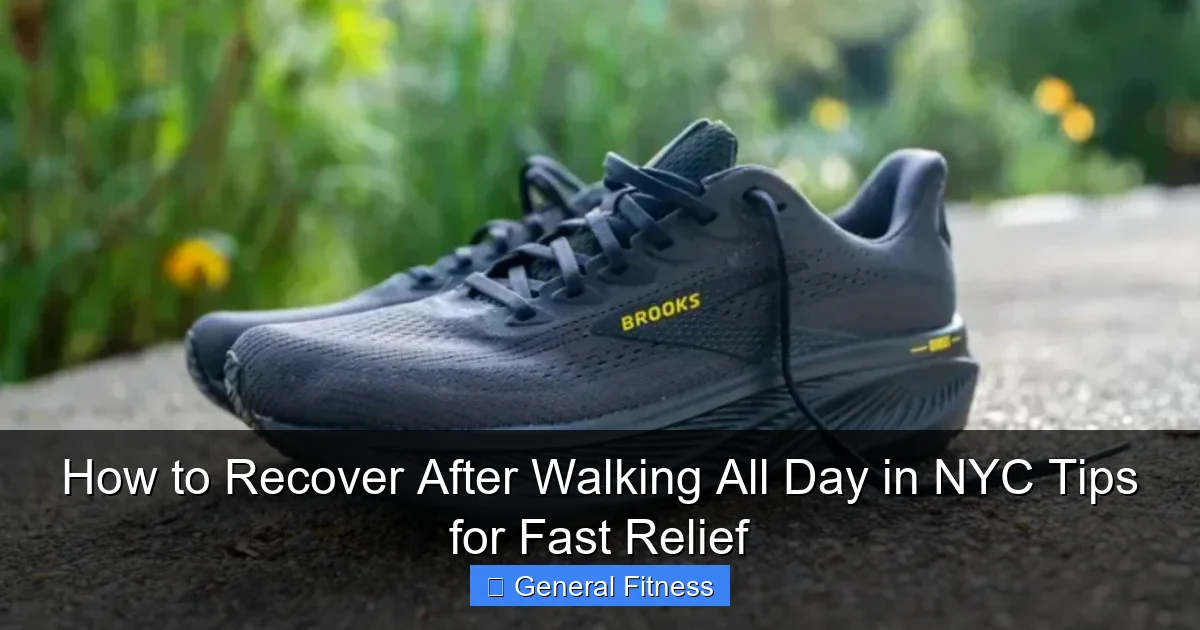
How to Recover After Walking All Day in NYC Tips for Fast Relief
Walking all day in NYC can be thrilling yet exhausting. Knowing how to recover quickly helps you feel refreshed and ready for more adventures. From simple stretches to hydration and relaxation techniques, these tips provide fast relief after a long day on your feet.
Key Takeaways
- Hydrate well: Drinking water replenishes fluids lost during extensive walking.
- Stretch your muscles: Target key areas like calves, feet, and hips to reduce stiffness.
- Elevate your feet: Helps reduce swelling and improves circulation after prolonged standing.
- Use ice or cold therapy: Eases inflammation and soothes sore muscles.
- Wear supportive footwear: Proper shoes prevent excessive fatigue and injury during long walks.
- Take warm baths or showers: Relaxes muscles and promotes faster recovery.
- Plan active recovery: Gentle movement and rest help your body heal without stiffness.
📑 Table of Contents
- How to Recover After Walking All Day in NYC Tips for Fast Relief
- 1. Hydrate to Replenish and Revive
- 2. Stretch and Mobilize Key Muscle Groups
- 3. Elevate and Rest Your Feet
- 4. Use Ice and Cold Therapy for Inflammation
- 5. Choose the Right Footwear for Prevention and Comfort
- 6. Relax and Recover with Warm Baths and Gentle Movement
- Bonus Tips: Maintain Fitness to Support Your Walking Endurance
- Conclusion
How to Recover After Walking All Day in NYC Tips for Fast Relief
Walking through the bustling streets of New York City is a fantastic way to explore its vibrant neighborhoods, iconic landmarks, and hidden gems. But after clocking in countless steps on concrete and asphalt, your body may start to feel the strain. Sore feet, tight calves, and tired muscles can quickly put a damper on your NYC adventures.
Luckily, recovery doesn’t have to be complicated or time-consuming. With a few smart strategies, you can bounce back quickly and enjoy your stay in the city that never sleeps. Whether you’re a tourist marveling at Times Square or a local commuting between meetings, these recovery tips will keep you feeling fresh and energized.
In this guide, we dive into practical ways to soothe your body after a day of walking in NYC. From hydration hacks to at-home stretches and relaxation ideas, you’ll find everything you need to recover fast and stay on your feet for more exploration.
1. Hydrate to Replenish and Revive
Why Hydration Matters After Walking
Walking all day, especially in NYC’s often crowded and fast-paced environment, causes you to sweat and lose fluids. Dehydration can lead to muscle cramps, fatigue, and headaches. Drinking plenty of water helps flush out toxins, reduces muscle soreness, and speeds up recovery.
Practical Hydration Tips
- Carry a refillable water bottle with you during your walks around NYC.
- Drink water steadily after returning from your walk, aiming for at least 16-24 ounces within the first hour.
- Consider electrolyte drinks if you’ve been walking in hot weather to replace lost salts.
- Limit caffeinated or alcoholic beverages after walking, as they can cause dehydration.
2. Stretch and Mobilize Key Muscle Groups
Focus Areas for Post-Walking Relief
Your calves, feet, hamstrings, and hips bear the brunt of long hours on your feet. Stretching these muscles helps improve flexibility, reduces stiffness, and prevents soreness.
Simple Stretching Routine
- Calf stretch: Stand facing a wall, place one foot back and press the heel down. Hold 20-30 seconds per leg.
- Foot stretch: Sit down, cross one leg over the other, and gently pull your toes back toward your shin.
- Hamstring stretch: Sit on the floor with one leg extended, reach for your toes slowly.
- Hip flexor stretch: Kneel on one foot with the other leg forward, push hips gently forward to stretch.
Incorporating these stretches into your evening routine will encourage faster muscle recovery and increase your walking endurance for the next day.
3. Elevate and Rest Your Feet
The Benefits of Elevation
Standing or walking all day causes blood and fluids to pool in your lower legs and feet, leading to swelling and discomfort. Elevating your feet above heart level can reduce swelling, relieve pressure, and improve circulation.
How to Elevate Properly
- Lie down and prop your feet on pillows or a footrest so they are higher than your heart.
- Keep your legs elevated for 15-20 minutes at a time, multiple times a day if possible.
- Avoid crossing your legs during elevation to promote better blood flow.
4. Use Ice and Cold Therapy for Inflammation
When and How to Apply Cold
If you experience pain, swelling, or inflammation after walking, applying cold packs can be very effective. Cold therapy constricts blood vessels, reducing swelling and numbing soreness.
Cold Therapy Tips
- Use a cold pack or wrap ice in a cloth; never apply ice directly to the skin.
- Apply ice for 15-20 minutes on sore areas such as feet, ankles, or calves.
- Repeat every few hours within the first 24-48 hours after intense walking.
- Combine cold therapy with elevation for best results.
5. Choose the Right Footwear for Prevention and Comfort
Why Footwear Matters in NYC
Walking miles in NYC’s urban environment means your shoes need to offer excellent support and cushioning. Poor footwear can worsen foot pain and delay recovery.
Tips for Selecting Supportive Shoes
- Opt for shoes with good arch support and shock absorption.
- Ensure a proper fit with enough room in the toe box to prevent blisters.
- Consider replacing worn-out shoes regularly to maintain support.
- Look into insoles or orthotics if you need extra comfort.
For those interested in improving posture and comfort during city walking, check out our guide on how to choose a commuter backpack for better posture, which complements good footwear choices for overall walking comfort.
6. Relax and Recover with Warm Baths and Gentle Movement
The Power of Warmth and Movement
After a cold therapy session or elevation, warm baths can soothe tight muscles and promote relaxation. Gentle movement like light yoga or walking around your apartment helps maintain circulation and prevents stiffness.
At-Home Recovery Tips
- Take a warm bath with Epsom salts to relax muscles and reduce soreness.
- Try gentle yoga poses focusing on stretching and breathing.
- Avoid sitting or lying still for too long to keep blood flowing.
- Establish a calming night routine with light stretching and mindfulness to improve sleep quality.
For more ideas on winding down after active days in NYC, explore our article on 15 stress relief ideas after work in NYC. These methods can also support your physical recovery after long walks.
Bonus Tips: Maintain Fitness to Support Your Walking Endurance
Stay Active Beyond Walking
Building overall strength and fitness helps your body handle long walks better and recover faster. Incorporate strength training, cardio, and flexibility exercises into your routine.
Practical NYC Fitness Ideas
- Try bodyweight exercises or strength training at home or in local gyms.
- Use low-impact workouts to build endurance without extra strain.
- Check out our guide on how to start a fitness routine in NYC for beginner-friendly tips.
- Explore how to stay fit in New York City for ongoing motivation and ideas.
By preparing your body with regular fitness, you’ll reduce the fatigue that comes from long days of walking and enhance your overall NYC experience.
Conclusion
Walking all day in NYC is an incredible way to discover the city’s energy and charm, but it can leave your body feeling tired and sore. The good news is that recovery doesn’t have to be complicated. Staying hydrated, stretching, elevating your feet, using cold therapy, wearing supportive footwear, and relaxing with warm baths are simple yet effective ways to bounce back fast.
Incorporating these tips into your routine will help you recover quickly and keep you energized for more adventures. Remember, recovery is just as important as the activity itself to maintain your health and enjoyment in the city.
For more wellness and fitness tips to support your active NYC lifestyle, be sure to explore our other articles and keep moving with confidence.
Frequently Asked Questions
How long should I rest after walking all day in NYC?
Rest for at least 15-20 minutes with your feet elevated to reduce swelling. Gentle movement and stretching afterward can help prevent stiffness. Listen to your body and adjust rest time as needed.
What are the best stretches to do after a long day of walking?
Focus on calf stretches, foot stretches, hamstring stretches, and hip flexor stretches. These target the main muscles used during walking and help relieve tightness.
Can cold therapy help with foot pain from walking?
Yes, applying ice packs to sore or swollen areas can reduce inflammation and numb pain. Use cold therapy for 15-20 minutes several times within the first couple of days after intense walking.
How important is footwear when walking in NYC?
Very important. Supportive, well-fitted shoes with cushioning prevent fatigue, blisters, and injury. Good footwear supports your recovery and overall walking comfort.
Is it better to take a warm bath or use ice after walking?
Both have benefits. Ice helps reduce inflammation right after walking, while warm baths relax muscles later on. Combining both methods at different times can speed up recovery.
What can I do to prepare my body for walking all day in NYC?
Build your fitness gradually with regular walking, stretching, and strength training. Explore resources like our guide to starting a fitness routine in NYC to prepare effectively.