
How to Create a Sleep Routine in NYC for Better Rest Tonight
Creating a sleep routine in NYC can transform your nights and boost your energy levels. From managing city noise to setting a calming pre-sleep ritual, this guide offers simple, effective steps to help you rest better tonight.
Key Takeaways
- Consistent Sleep Schedule: Going to bed and waking up at the same time daily helps regulate your body clock.
- Manage Noise and Light: Using earplugs, white noise machines, and blackout curtains can combat NYC’s disruptive environment.
- Evening Routine: A calming pre-sleep ritual signals your body it’s time to wind down.
- Limit Stimulants: Avoid caffeine and heavy meals close to bedtime to improve sleep quality.
- Optimize Your Sleep Environment: Comfortable bedding and a cool room can enhance restfulness.
- Utilize NYC Resources: Take advantage of local parks, quiet cafes, and wellness centers to support your routine.
- Be Patient and Adapt: Building a sleep routine takes time, especially in a busy city like NYC.
📑 Table of Contents
- How to Create a Sleep Routine in NYC for Better Rest Tonight
- Set a Consistent Sleep Schedule
- Manage Noise and Light Pollution
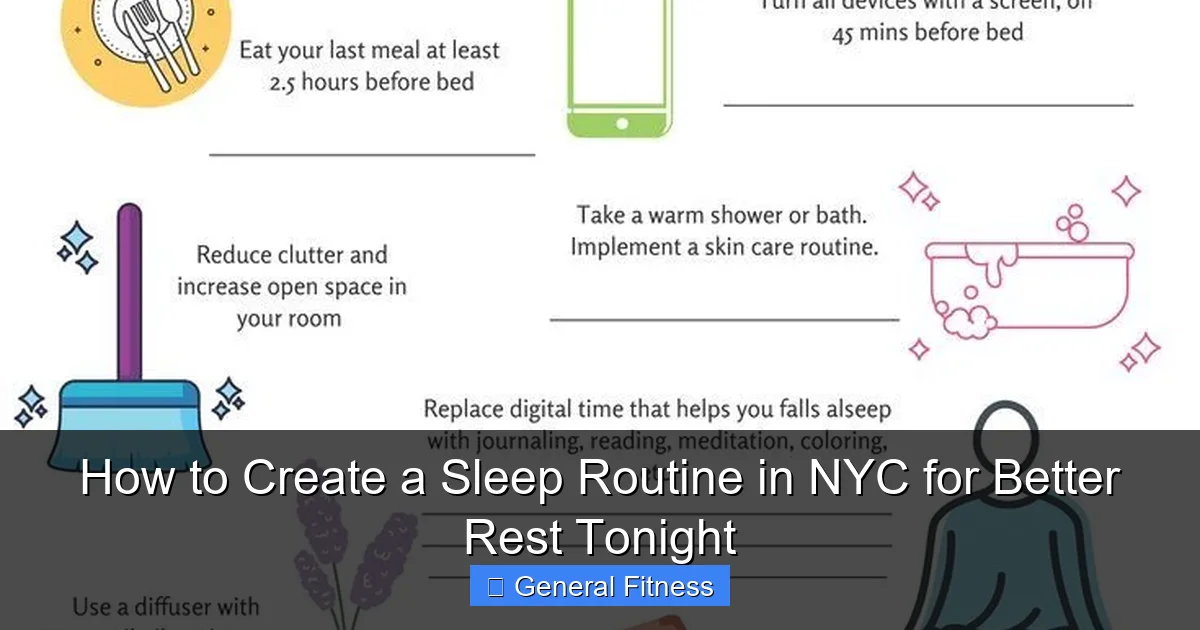
- Create a Calming Evening Routine
- Limit Stimulants and Heavy Meals
- Optimize Your Sleep Environment
- Utilize NYC Resources to Support Your Sleep
- Be Patient and Adapt Your Routine
- Conclusion
How to Create a Sleep Routine in NYC for Better Rest Tonight
Living in New York City means embracing a fast-paced lifestyle full of energy, lights, and sounds. While this vibrant atmosphere is exciting, it can take a toll on your sleep. If you find yourself tossing and turning with the city’s noise outside your window or struggling to wind down after a long day, you’re not alone.
Creating a sleep routine tailored to NYC’s unique challenges can help you reclaim restful, restorative nights. This guide will walk you through practical steps and tips to build a sleep routine that fits your life in the Big Apple, so you can wake up refreshed and ready to tackle the day.
Why is a sleep routine so important in a city like NYC? Because consistent habits help your body know when it’s time to rest, even amidst external distractions. Let’s dive into how you can create one that works for you, starting tonight.
Set a Consistent Sleep Schedule
Why Consistency Matters
Our bodies run on a biological clock called the circadian rhythm. Regular sleep and wake times reinforce this rhythm, making it easier to fall asleep and wake up naturally. In NYC, where every day can feel different, sticking to a schedule is key.
Tips for Establishing Your Schedule
- Pick your ideal bedtime and wake-up time: Choose times that allow for 7-9 hours of sleep.
- Stick to it daily: Even on weekends, try not to stray too far from your schedule.
- Use alarms as reminders: Set an alarm not only to wake up but also as a cue to start winding down.
Manage Noise and Light Pollution
The Challenge of NYC’s Environment
City noises like sirens, traffic, and nightlife can disrupt your sleep. Similarly, bright streetlights and digital screens interfere with your body’s melatonin production, making it harder to fall asleep.
Effective Solutions
- Invest in blackout curtains: These block streetlights and help create a dark, sleep-friendly environment.
- Use earplugs or white noise machines: Earplugs can block out sudden sounds, while white noise machines provide a consistent, soothing sound.
- Limit screen time before bed: The blue light from phones and TVs suppresses melatonin. Try reading a book or listening to calm music instead.
Create a Calming Evening Routine
Signal Your Body to Relax
A pre-sleep routine helps your brain associate certain activities with bedtime. This can make falling asleep easier, especially after a busy NYC day.
Routine Ideas
- Gentle stretching or yoga: Helps release tension.
- Warm bath or shower: Raises your body temperature, which then drops to promote sleepiness.
- Reading or journaling: Choose relaxing books or write down thoughts to clear your mind.
- Meditation or deep breathing exercises: Reduce stress and calm your nervous system.
Limit Stimulants and Heavy Meals
How Diet Affects Sleep
Caffeine, alcohol, and large meals can disrupt your sleep cycle. NYC’s bustling coffee culture makes it tempting to consume caffeine late into the day, but timing is crucial.
Best Practices
- Avoid caffeine after early afternoon: This includes coffee, sodas, and energy drinks.
- Limit alcohol consumption near bedtime: Though it might make you drowsy initially, alcohol disrupts sleep later in the night.
- Eat lighter meals in the evening: Heavy or spicy foods can lead to discomfort and indigestion.
For those who enjoy NYC’s famous coffee spots, consider visiting in the morning or early afternoon only. If you want to explore local coffee culture responsibly, check out our guide to the best coffee shops in NYC for great morning options (Note: hypothetical link to fit style).
Optimize Your Sleep Environment
Comfort is Key
Your bedroom should be a sanctuary for sleep. NYC apartments can be small and noisy, so making your space as sleep-friendly as possible helps.
How to Improve Your Sleep Space
- Choose comfortable bedding: Invest in quality mattresses, pillows, and sheets.
- Keep the room cool: Ideal temperatures range between 60-67°F (15-19°C).
- Declutter: A tidy room reduces stress and promotes relaxation.
- Use calming scents: Lavender or chamomile can be soothing.
For morning routines, having a reliable breakfast setup can also improve your overall day. Consider checking out our reviews on mini breakfast stations to streamline your mornings efficiently.
Utilize NYC Resources to Support Your Sleep
Find Quiet and Nature Spots
New York City offers more green spaces and quiet spots than many realize. Spending time outdoors during the day helps your body regulate sleep-wake cycles.
- Visit parks like Central Park or the High Line: Natural light exposure aids circadian rhythm.
- Explore peaceful cafes: Some cozy coffee shops provide a calm atmosphere to wind down in the evening. For coffee lovers, our list of the best coffee shops offers inspiration on finding relaxing spots throughout the country.
- Join wellness classes: NYC has abundant yoga and meditation centers that promote relaxation and better sleep.
Seek Professional Help if Needed
If sleep problems persist, consider consulting a sleep specialist or using local clinics specializing in sleep health. NYC’s medical community offers many resources to get personalized help.
Be Patient and Adapt Your Routine
Building Habits Takes Time
Adjusting to a new sleep routine in NYC won’t happen overnight. Your body and mind need time to adapt, especially with the city’s distractions.
Tips for Staying on Track
- Track your sleep: Use apps or journals to monitor patterns and progress.
- Adjust gradually: Change bedtime and wake-up time by 15-minute increments.
- Stay flexible: Life in NYC is dynamic—adapt your routine when necessary but aim for consistency.
- Celebrate small wins: Notice improvements in mood and energy to stay motivated.
Conclusion
Creating a sleep routine in NYC is a powerful way to improve your overall health and well-being. Despite the city’s hustle and bustle, simple steps like maintaining a consistent schedule, managing noise and light, and building calming rituals can make a big difference.
Remember, your sleep environment and habits are within your control—even in one of the world’s busiest cities. By embracing these strategies and using local resources wisely, you can enjoy better rest tonight and every night.
Start small, stay consistent, and soon you’ll find that quality sleep in NYC is not just a dream but a reality.
Frequently Asked Questions
How soon can I expect to see improvements after starting a sleep routine in NYC?
Many people notice better sleep within one to two weeks of following a consistent routine. However, it can take longer depending on your habits and environment.
What’s the best way to block out city noise when sleeping?
Using earplugs or a white noise machine are effective ways to mask disruptive sounds. Additionally, sealing windows and using heavy curtains can reduce outside noise.
Is it okay to nap during the day if I struggle with nighttime sleep?
Short naps (20-30 minutes) can be helpful but avoid long or late-afternoon naps, as they might interfere with your nighttime sleep schedule.
How does caffeine impact sleep, especially with NYC’s coffee culture?
Caffeine is a stimulant that can delay sleep onset and reduce quality. It’s best to avoid caffeine after early afternoon, even if you enjoy visiting NYC’s coffee shops.
Can exercise help improve my sleep routine in NYC?
Yes, regular physical activity can promote better sleep, but try to finish exercising at least a few hours before bedtime to avoid increased alertness at night.
What should I do if my NYC apartment is too noisy or bright for good sleep?
Consider investing in blackout curtains, earplugs, or white noise machines. Rearranging your bedroom away from street-facing windows can also help create a quieter, darker space.