
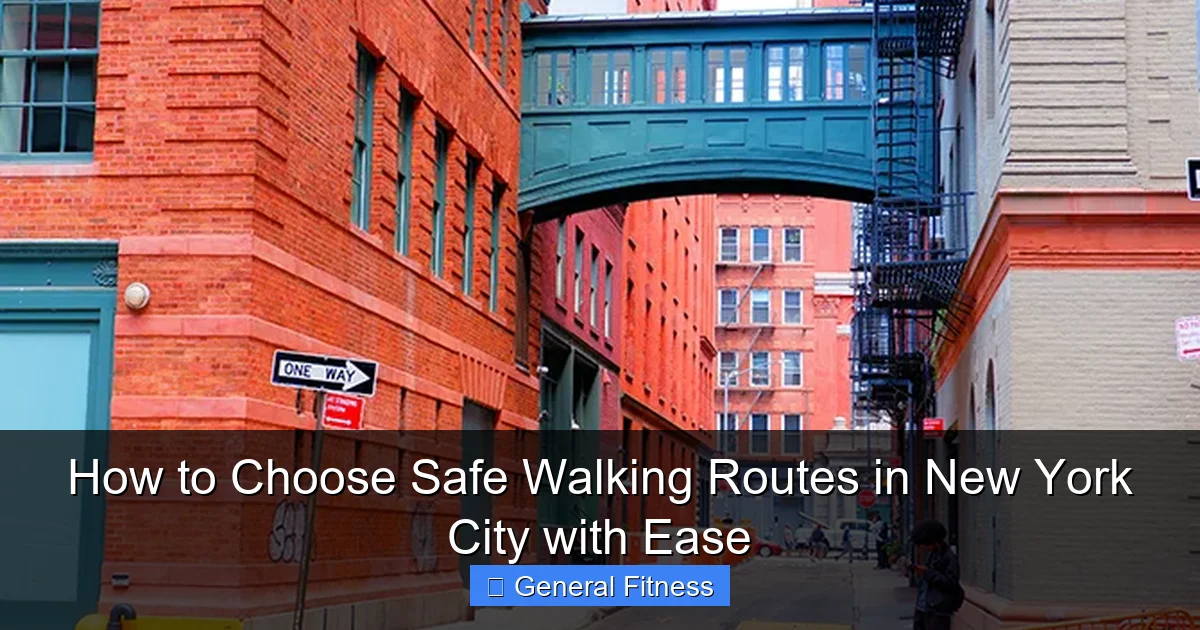
How to Choose Safe Walking Routes in New York City with Ease
Walking in New York City can be a wonderful way to stay fit and explore the city’s vibrant neighborhoods. Choosing safe walking routes is key to enjoying your time and feeling secure. This guide offers practical advice to help you pick the best, safest paths for your daily walks or commutes.
Key Takeaways
- Understand NYC Neighborhood Safety: Learn which areas are safer for walking and which to avoid, especially after dark.
- Use Technology: Utilize apps and online maps that provide safety scores and real-time updates.
- Plan Routes Along Busy Streets: Stick to well-lit, populated streets to minimize risks.
- Time Your Walks Wisely: Daytime walks are generally safer; avoid isolated routes at night.
- Trust Your Instincts: If something feels off, change your path or seek help immediately.
- Incorporate Fitness and Fun: Combine your safe walking routes with stops at great spots like coffee shops to enhance your experience.
- Prepare Properly: Wear comfortable shoes and carry essentials to stay comfortable and secure.
📑 Table of Contents
- How to Choose Safe Walking Routes in New York City with Ease
- 1. Understand the Safety Landscape of New York City Neighborhoods
- 2. Use Technology to Plan and Navigate Safe Walking Routes
- 3. Stick to Well-Lit and Populated Streets
- 4. Time Your Walks for Maximum Safety
- 5. Trust Your Instincts and Stay Prepared
- 6. Combine Safe Walking with a Healthy Lifestyle
- Conclusion
How to Choose Safe Walking Routes in New York City with Ease
New York City is a bustling metropolis offering endless opportunities to explore on foot. Walking is not only great exercise but also a fantastic way to experience the city’s unique charm, from its iconic landmarks to hidden local gems. However, navigating such a large urban environment requires a thoughtful approach to safety. Choosing safe walking routes is essential to enjoy your strolls stress-free and worry-free.
Whether you’re a local trying to stay fit or a visitor eager to see the city on foot, this guide will help you select safe and enjoyable walking paths. By understanding NYC’s neighborhoods, using helpful tools, and applying practical safety tips, you can confidently plan your walks and focus on the fun and fitness benefits. Let’s dive into how you can choose safe walking routes in New York City with ease.
1. Understand the Safety Landscape of New York City Neighborhoods
Know the Neighborhoods
NYC is made up of five boroughs, each with diverse neighborhoods that vary in safety and atmosphere. Manhattan, Brooklyn, Queens, the Bronx, and Staten Island all have areas that are generally safe and others that require more caution. For example, neighborhoods like the Upper East Side and Tribeca are known for their safety, while certain parts of the Bronx may be less secure, especially after dark.
Research Crime Statistics
Before heading out, take a few minutes to check recent crime statistics for the area where you plan to walk. Websites like the NYPD Crime Map provide detailed information on recent incidents by location. This helps you avoid areas with higher crime rates and plan your route through safer parts of the city.
Stay Updated on Local News
Local news outlets and community forums often report on safety concerns and changes in neighborhood conditions. Staying informed will help you avoid unexpected trouble spots and know which areas to steer clear of, particularly during certain times or events.
2. Use Technology to Plan and Navigate Safe Walking Routes
Walking Safety Apps and Maps
Several apps can help you find safe walking routes by showing crime data, lighting conditions, and foot traffic. Apps like SafeTrek, Citizen, and Google Maps offer features to enhance your walking safety. Google Maps, for example, allows you to avoid alleys and dimly lit streets by selecting pedestrian-friendly routes.
Leverage Real-Time Updates
Use apps that provide real-time alerts about incidents or hazards in your area. This can be invaluable for adjusting your route on the fly and staying out of harm’s way.
Plan Routes with Public Amenities in Mind
When mapping your walk, choose routes that pass by open businesses, coffee shops, and parks. These areas tend to be more populated and well-lit. Plus, stopping by a favorite coffee spot can make your walk more enjoyable—check out our guide to the best coffee shops in New York City for great pit stops along your route.
3. Stick to Well-Lit and Populated Streets
Why Lighting Matters
Walking on well-lit streets significantly reduces safety risks. Bright streetlights deter criminal activity and help you see your surroundings clearly. Avoid shortcuts through dark alleys, parks without lighting, or empty streets, especially at night.
Choose Busy Routes
Higher pedestrian traffic means more eyes on the street, which enhances safety. Popular commercial streets, areas near subway stations, and main avenues are generally safer than quiet residential blocks after sunset.
Use Sidewalks and Crosswalks
Always use sidewalks and crosswalks to avoid traffic accidents. NYC has busy streets with fast-moving vehicles, so staying on pedestrian-friendly paths is crucial for your overall safety.
4. Time Your Walks for Maximum Safety
Daytime is Best
If possible, schedule your walks during the day when visibility is high and more people are around. Daytime walking is not only safer but also allows you to appreciate the city’s vibrant life and architecture.
Avoid Late Night Walks in Unknown Areas
Late-night walks can be riskier, especially in less crowded neighborhoods. If you must walk after dark, choose routes you know well and that have good lighting and foot traffic.
Consider Weather and Events
Bad weather can reduce visibility and the number of people on the streets, increasing risk. Similarly, large events or protests can disrupt normal patterns and create unsafe conditions. Plan accordingly and check local news before heading out.
5. Trust Your Instincts and Stay Prepared
Listen to Your Gut
If a street or area makes you feel uneasy, trust your instincts and change your route. Personal safety often comes down to situational awareness and being proactive.
Carry Essentials
Bring a charged phone, a whistle or personal alarm, and identification. Keep your belongings secure and avoid distractions like excessive phone use while walking.
Walk Confidently
Maintain a confident posture and be aware of your surroundings. Avoid isolated areas and try to walk facing traffic on quieter streets.
6. Combine Safe Walking with a Healthy Lifestyle
Make Walking Part of Your Fitness Routine
Walking is a fantastic way to stay fit in the city. For tips on how to integrate walking with your overall health goals, see our article on how to stay fit in New York City. Walking safe routes ensures you can maintain your routine without worry.
Use Comfortable Gear
Wear comfortable shoes and consider carrying a supportive bag. If you commute by foot, our guide on how to choose a commuter backpack for better posture can help you carry your essentials comfortably and safely.
Enjoy the Journey
Walking can be more than exercise—it’s a way to explore the city, discover new coffee shops, and enjoy your surroundings. Consider planning routes that include stops at popular spots like those featured in the best coffee shops in New York City guide for a rewarding break.
Conclusion
Choosing safe walking routes in New York City doesn’t have to be complicated. By understanding neighborhood safety, using technology, sticking to well-lit and busy streets, timing your walks carefully, and trusting your instincts, you can enjoy the many benefits walking offers without compromising your security. Walking is a wonderful way to stay fit, explore, and connect with the city’s energy. With these tips, you’ll navigate NYC’s streets safely and confidently, turning every walk into an enjoyable and safe adventure.
Frequently Asked Questions
What are the safest neighborhoods to walk in New York City?
Neighborhoods like the Upper East Side, Tribeca, and parts of Brooklyn such as Park Slope are generally considered safe for walking. However, safety can vary block by block, so it’s important to stay aware and informed.
Are there apps that help me find safe walking routes in NYC?
Yes, apps like Google Maps, SafeTrek, and Citizen provide route planning with safety features and real-time alerts. They can help you avoid risky areas and choose well-traveled streets.
Is it safe to walk alone at night in New York City?
Walking alone at night can be riskier, especially in less populated or poorly lit areas. If you must walk alone after dark, choose well-lit, busy streets and stay alert to your surroundings.
How can I stay safe when walking in NYC during bad weather?
During bad weather, visibility and footing can be compromised. Wear appropriate footwear, avoid slippery or flooded areas, and try to walk in daylight when possible to stay safe.
What should I carry with me to stay safe while walking?
Carry a charged phone, identification, a personal alarm or whistle, and any necessary medications. Wearing comfortable shoes and useful gear like a supportive backpack can also improve safety and comfort.
Can walking in NYC help me stay fit?
Absolutely! Walking is an excellent way to stay active and healthy. Combining safe walking routes with good habits and gear can make your daily walks enjoyable and beneficial, as discussed in our guide on how to stay fit in New York City.