
10 Ways to Improve Ventilation in Small NYC Apartments Easily
Improving ventilation in small NYC apartments is essential for fresh air, health, and comfort. With space limitations and city living challenges, these 10 practical and easy tips help you boost airflow and reduce indoor pollutants effortlessly.
Key Takeaways
- Maximize natural airflow: Use windows and doors strategically to create cross-ventilation.
- Utilize exhaust fans: Kitchen and bathroom fans help remove moisture and odors effectively.
- Invest in air purifiers: Portable purifiers improve indoor air quality, especially in cramped spaces.
- Keep vents clear: Ensure heating and cooling vents are unobstructed for proper air circulation.
- Use indoor plants: Certain plants can help filter the air naturally.
- Maintain HVAC systems: Regular cleaning and filter replacement enhance ventilation performance.
- Be mindful of moisture: Prevent mold growth by controlling humidity levels.
📑 Table of Contents
- Introduction
- 1. Maximize Natural Airflow
- 2. Use Exhaust Fans Effectively
- 3. Invest in Portable Air Purifiers
- 4. Keep Heating and Cooling Vents Unblocked
- 5. Use Indoor Plants to Improve Air Quality
- 6. Control Humidity to Prevent Mold and Mildew
- 7. Utilize Door Draft Stoppers and Window Seals
- 8. Use Fans to Enhance Air Movement
- 9. Avoid Indoor Pollutants
- 10. Regularly Clean Your Apartment
- Conclusion
Introduction
Living in a small apartment in New York City comes with its unique set of challenges. One of the biggest issues many residents face is poor ventilation. With limited space and often sealed windows due to noise or pollution, getting fresh air circulating can feel impossible. But good ventilation is crucial—not just for comfort but for your health and well-being.
Fortunately, there are many simple and effective ways to improve ventilation without needing major renovations. Whether you’re dealing with stale air, humidity, or indoor pollutants, these tips can help you breathe easier and enjoy your NYC apartment more. Let’s explore 10 easy ways to boost ventilation in your small city space.
1. Maximize Natural Airflow
Open Windows Strategically
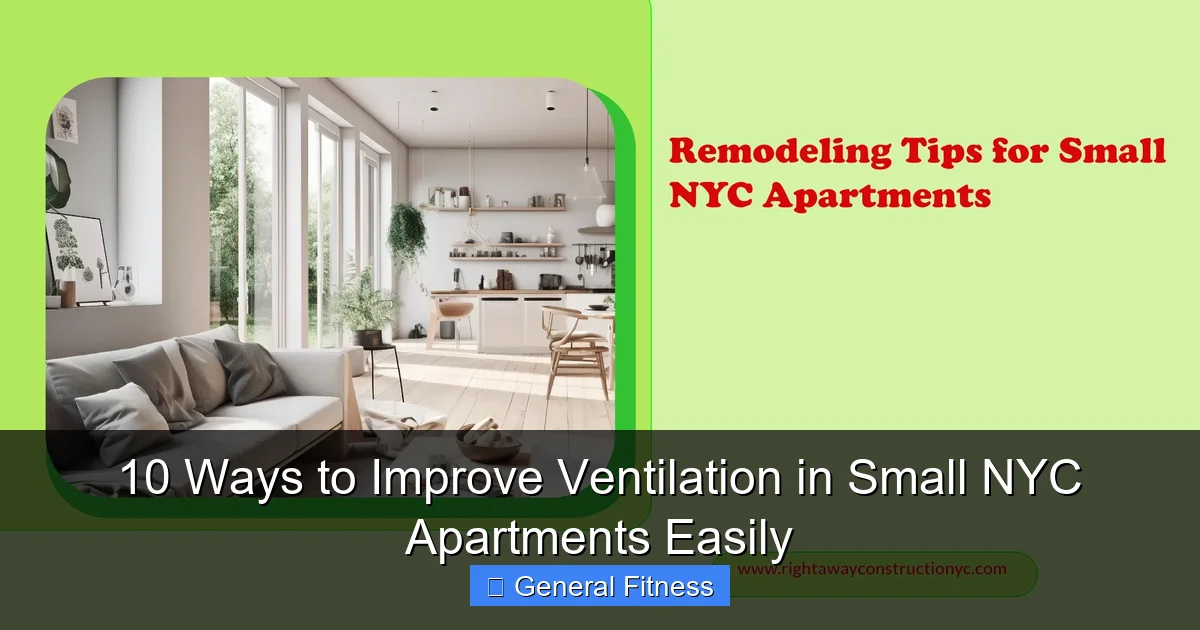
Even in a small apartment, natural airflow can be your best friend. Open windows on opposite sides of your apartment if possible to create cross-ventilation. This allows fresh air to flow through and push stale air out. If your layout doesn’t allow windows on opposite walls, try opening a window and the door to your apartment to encourage air movement.
Visual guide about 10 Ways to Improve Ventilation in Small NYC Apartments Easily
Image source: rightawayconstructionyc.com
Use Window Fans
Window fans can be a game-changer for small apartments. Place a fan facing outward in one window to push stale air outside, and another fan facing inward on the opposite window to draw fresh air in. This setup mimics natural airflow, even on days when the wind isn’t cooperating.
Keep Interior Doors Open
Closing doors inside your apartment can block airflow and trap stale air in certain rooms. Keep doors open to help air circulate freely throughout your living space.
2. Use Exhaust Fans Effectively
Kitchen Ventilation
Cooking produces heat, moisture, and odors that can quickly make a small space uncomfortable. Always turn on your kitchen exhaust fan or range hood while cooking to vent these out. If you don’t have a vented hood, consider a portable air purifier nearby to reduce smells and particles.
Bathroom Fans to Reduce Humidity
Bathrooms are hotspots for humidity, which can lead to mold and musty smells. Use your bathroom fan during and after showers to remove moist air. If your fan isn’t very strong, running a dehumidifier in the bathroom can also help keep moisture levels low.
3. Invest in Portable Air Purifiers
Benefits of Air Purifiers
Air purifiers are a fantastic tool for small apartments where ventilation options are limited. They help remove dust, allergens, pet dander, and even some airborne viruses. Look for models with HEPA filters for maximum effectiveness.
Placement Tips
Place air purifiers in rooms where you spend the most time, such as the bedroom or living room. Avoid placing them in corners or behind furniture to ensure optimal air circulation.
4. Keep Heating and Cooling Vents Unblocked
Clear Furniture and Obstructions
Many NYC apartments rely on HVAC systems or radiators for heating and cooling. Make sure your vents are not blocked by furniture, rugs, or curtains. Blocked vents reduce airflow and can cause uneven temperature distribution.
Regular Maintenance
Regularly clean your vents and replace HVAC filters every 1-3 months to maintain good airflow and air quality. Dirty filters trap dust and reduce system efficiency, worsening ventilation issues.
5. Use Indoor Plants to Improve Air Quality
Best Plants for Air Purification
Certain indoor plants are known for their air-cleaning properties. Spider plants, snake plants, and peace lilies are great choices for small apartments. They naturally absorb toxins like formaldehyde and benzene, helping freshen your air.
Placement and Care
Place plants near windows or in well-lit areas, but avoid overcrowding your space. Regularly water and care for them to keep them healthy and effective.
6. Control Humidity to Prevent Mold and Mildew
Use a Dehumidifier
High humidity levels in small apartments can lead to mold growth, which affects indoor air quality and health. A portable dehumidifier helps keep moisture in check, especially in bathrooms and kitchens.
Fix Leaks and Dampness
Inspect your apartment regularly for leaks or water damage. Address any issues promptly to prevent damp spots that encourage mold.
7. Utilize Door Draft Stoppers and Window Seals
Improve Airflow Control
While it might seem counterintuitive, properly sealing drafts around windows and doors can actually improve overall ventilation by directing airflow where you want it. Use weatherstripping or draft stoppers to prevent unwanted leaks that reduce your ability to control ventilation.
8. Use Fans to Enhance Air Movement
Ceiling and Portable Fans
Fans don’t bring in fresh air, but they help circulate indoor air, reducing stuffiness. A ceiling fan or a portable oscillating fan can keep air moving, making your apartment feel cooler and fresher.
Set Fans Near Windows
Position fans near windows to help pull in fresh air or push out stale air. This method amplifies natural ventilation efforts.
9. Avoid Indoor Pollutants
Limit Smoking and Scented Products
Cigarette smoke, candles, and strong air fresheners release pollutants that degrade air quality. Avoid smoking indoors and choose natural or unscented alternatives to keep your air clean.
Choose Low-VOC Paints and Furniture
If you’re redecorating, opt for low-VOC (volatile organic compound) paints and furniture to reduce harmful emissions inside your apartment.
10. Regularly Clean Your Apartment
Dust and Vacuum Often
Dust and allergens accumulate quickly in small spaces. Regular cleaning reduces indoor pollutants and improves overall air quality. Use a vacuum with a HEPA filter to trap fine particles.
Wash Bedding and Fabrics
Fabrics can hold dust mites and allergens. Wash bedding, curtains, and cushion covers frequently to keep them fresh.
Conclusion
Improving ventilation in small NYC apartments doesn’t need to be complicated or costly. By maximizing natural airflow, using exhaust fans, investing in air purifiers, and keeping your space clean and dry, you can create a healthier and more comfortable home. These simple steps help you breathe easier and enjoy city living to the fullest.
If you want to stay fit and healthy in the city, remember that good air quality indoors plays a big role. For more tips on living well in NYC, check out our guide on How To Stay Fit In New York City. And if you love cozy mornings in your apartment, you might enjoy our reviews of the 10 Best Mini Breakfast Station 3 In 1 to start your day right!
Frequently Asked Questions
How often should I open my windows for ventilation?
Try to open your windows daily for at least 15-30 minutes to allow fresh air to circulate. Cross-ventilation works best when windows or doors on opposite sides are open simultaneously.
Are air purifiers really effective in small apartments?
Yes, air purifiers with HEPA filters can significantly reduce allergens, dust, and pollutants in small spaces, improving indoor air quality and comfort.
Can indoor plants improve ventilation?
While plants don’t increase airflow, certain indoor plants help purify the air by absorbing toxins and releasing oxygen, making your apartment feel fresher.
What is the best way to reduce humidity in a small apartment?
Using a dehumidifier, running exhaust fans in bathrooms and kitchens, and fixing leaks promptly are effective ways to control humidity and prevent mold.
Should I use fans to improve ventilation?
Fans help circulate indoor air but don’t bring in fresh air by themselves. Positioning fans near windows can help enhance natural ventilation.
How can I maintain my HVAC system for better ventilation?
Replace filters every 1-3 months, keep vents clear of obstructions, and schedule regular professional maintenance to ensure your system works efficiently and supports good airflow.