
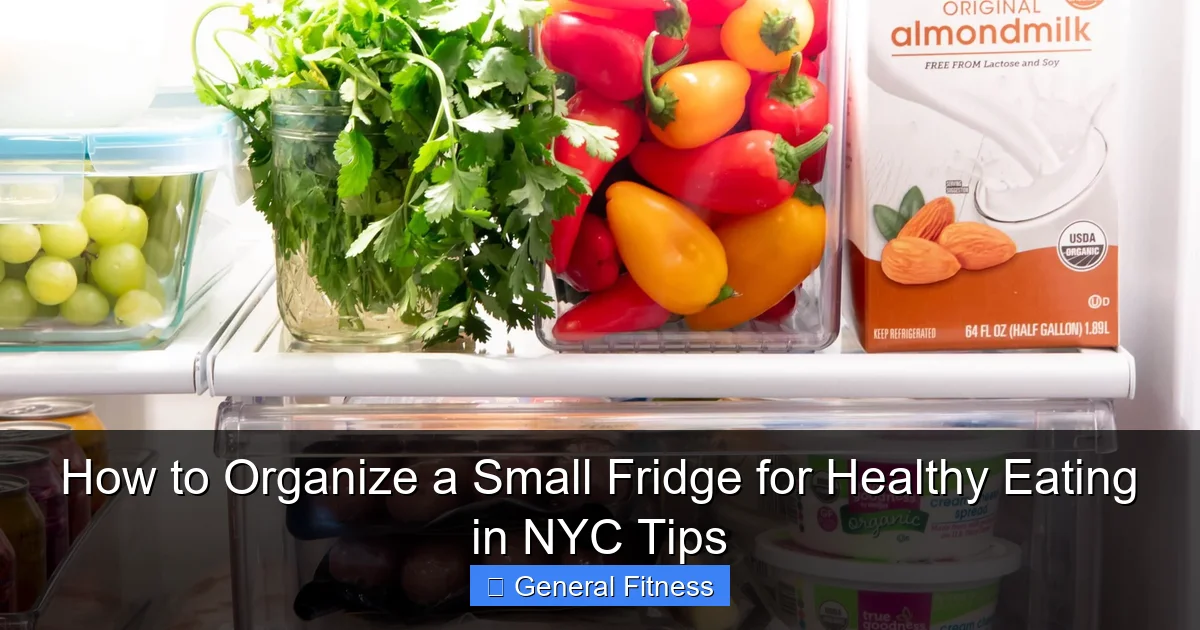
How to Organize a Small Fridge for Healthy Eating in NYC Tips
Organizing a small fridge for healthy eating in NYC is easier than you think! With smart storage tips and strategic planning, you can keep fresh, nutritious foods front and center. Maximize your fridge space and maintain a balanced diet effortlessly.
Key Takeaways
- Optimize fridge zones: Use different shelves for specific food groups to keep items fresh longer.
- Use clear containers: Transparent storage helps you see what you have and reduces food waste.
- Plan meals ahead: Buying only what you need for healthy recipes minimizes clutter and spoilage.
- Utilize door space wisely: Store condiments and drinks in the door to free up main shelves.
- Keep healthy snacks visible: Place fruits and veggies at eye level for easy access.
- Regularly declutter: Weekly fridge cleanups prevent expired food and keep everything organized.
- Adapt to NYC lifestyle: Use compact storage solutions that suit small apartments and busy schedules.
📑 Table of Contents
- Introduction
- Understand Your Small Fridge’s Layout
- Choose the Right Storage Containers and Tools
- Strategic Food Placement for Healthy Eating
- Meal Planning and Shopping Tips for NYC Fridge Efficiency
- Maintain Your Fridge for Long-Term Success
- Incorporate Healthy Kitchen Gadgets for NYC Living
- Conclusion
Introduction
Living in New York City often means dealing with limited space, especially when it comes to kitchen appliances like your fridge. Small fridges are common in NYC apartments, dorms, and studios where every inch counts. But having a tiny fridge doesn’t mean you have to compromise on your healthy eating habits. In fact, organizing your small fridge smartly can help you maintain a nutritious diet, save money, and reduce food waste.
Whether you’re a busy professional, a student, or just someone passionate about fitness and wellness, knowing how to organize a small fridge for healthy eating in NYC can make your life easier. This guide will walk you through practical tips and clever strategies tailored to the NYC lifestyle. From maximizing limited space to choosing the right containers and planning your meals, you’ll learn everything you need to keep your fridge functional and your diet on track.
Understand Your Small Fridge’s Layout
Know the Temperature Zones
Every fridge has different temperature zones—some spots are colder, some warmer. Usually, the back of the fridge is the coldest, ideal for meats and dairy. The top shelves tend to be more stable in temperature, perfect for leftovers and ready-to-eat foods. The door is the warmest area, so it’s best for condiments, drinks, and items that don’t spoil quickly.
Measure and Map Out Your Space
Start by measuring the interior dimensions of your fridge. Knowing the height and width of shelves helps you pick containers that maximize space without overcrowding. Consider removable shelves or adjustable racks to customize the layout for your needs. Mapping out where you’ll place fruits, vegetables, proteins, and snacks ahead of time will make grocery shopping and meal prep smoother.
Example: Using Stackable Containers
Invest in stackable, clear containers that fit your fridge shelves well. For example, if you have a short vertical space, shallow containers are better, allowing you to stack multiple layers. This keeps your fridge neat and helps you spot what’s inside at a glance, reducing the chances of forgotten food going bad.
Choose the Right Storage Containers and Tools
Benefits of Clear and Modular Containers
Clear containers let you see contents without opening, saving time and reducing fridge door openings that can raise temperature. Modular containers come in sizes that stack neatly, making the most of vertical space. Choose BPA-free plastic or glass containers with airtight lids to keep food fresh longer.
Use Drawer Organizers and Bins
Small bins or drawer organizers help group similar items—like snack packs, cheese sticks, or sliced veggies—so they don’t scatter. This keeps your fridge organized and makes it easy to grab your healthy snacks on the go.
Label and Date Your Food
Use a dry-erase marker or labels to date leftovers and open packages. This practice reduces food waste by reminding you what to eat first and prevents spoiled food from sneaking in.
Example: Egg Containers and Small Produce Bags
Using a dedicated egg container protects eggs better than the fridge door slot, especially in a small fridge. For produce like berries or greens, use breathable bags or perforated containers to maintain freshness without excess moisture.
Strategic Food Placement for Healthy Eating
Keep Fruits and Veggies Visible and Accessible
Place fresh fruits and vegetables at eye level or in the crisper drawers. When healthy options are easy to see and grab, you’re more likely to choose them over processed snacks. Pre-cut veggies stored in clear containers can make snacking convenient.
Store Proteins Safely
Keep meats, tofu, and dairy on the coldest shelves to prevent spoilage. If possible, dedicate a container or shelf section just for proteins to avoid cross-contamination.
Utilize Door Space for Condiments and Drinks
The fridge door is warmer and less ideal for perishable items, but perfect for condiments, sauces, and beverages like kombucha or almond milk. This frees up shelf space for fresh produce and meals.
Example: Quick-Grab Snack Zone
Create a snack zone with healthy options like hummus, yogurt, pre-cut cheese, and nuts in one area. This makes it easy to grab a nutritious snack during a busy day in NYC.
Meal Planning and Shopping Tips for NYC Fridge Efficiency
Plan Weekly Meals Around Fridge Capacity
Before shopping, plan meals based on what your fridge can hold. Stick to recipes using similar ingredients to minimize the variety of fresh items you need to store. This reduces clutter and food waste.
Shop Smart and Buy Fresh
Frequent, smaller grocery trips are practical in NYC, where you can visit local markets or corner stores for fresh produce. Buying only what you need keeps your small fridge less crowded and your food fresher.
Prep Ingredients in Advance
Chop veggies, portion snacks, and cook proteins ahead of time. Store these in fridge-ready containers so meals come together quickly. This approach encourages healthy eating even on your busiest days.
Example: NYC Farmers Market Finds
Visit nearby farmers markets to pick up seasonal, fresh produce. These are often sold in smaller quantities, perfect for a small fridge, and support your goal of healthy eating.
Maintain Your Fridge for Long-Term Success
Regular Cleaning and Decluttering
Set a weekly reminder to clean your fridge. Remove expired items, wipe down shelves, and reorganize containers. This habit keeps your fridge fresh and prevents unpleasant odors.
Rotate Foods to Use Older Items First
Practice “first in, first out” by moving older items to the front. This reduces waste and keeps your meals fresh.
Monitor Temperature Settings
Ensure your fridge is set between 35°F and 38°F (1.6°C to 3.3°C) for optimal freshness. Too cold, and some produce may freeze; too warm, and food spoils faster.
Example: Use a Small Fridge Thermometer
Affordable fridge thermometers are great for small fridges to keep track of temperature and adjust as needed.
Incorporate Healthy Kitchen Gadgets for NYC Living
Compact Appliances to Complement Your Fridge
Small kitchen gadgets like mini breakfast stations, egg cookers, or compact air fryers can help you prepare healthy meals without requiring extra fridge space. These appliances fit well into NYC apartments and encourage cooking over takeout.
Smart Storage Solutions
Use magnetic racks on the fridge exterior for herbs or small spice jars. This frees internal fridge space and adds convenience.
Example: Pair With Healthy Eating Guides
To support your organized small fridge, explore meal prep ideas and fitness tips tailored for NYC lifestyles, such as those found in our comprehensive guide on How To Stay Fit In New York City.
Conclusion
Organizing a small fridge for healthy eating in NYC is all about smart use of space, thoughtful food placement, and regular maintenance. By understanding your fridge’s layout, using the right containers, and planning your meals carefully, you can keep your fridge tidy and your diet nutritious. Embrace the compact NYC lifestyle with these practical tips, and you’ll find that small fridge living doesn’t have to limit your healthy eating goals. Plus, integrating small kitchen gadgets and staying organized makes cooking and eating well easier than ever. Start today, and enjoy the benefits of a well-organized fridge and a healthier you!
Frequently Asked Questions
How can I keep fruits and vegetables fresh longer in a small fridge?
Store fruits and veggies in the crisper drawers or clear containers with ventilation. Keep them separate to prevent ethylene gas from speeding up spoilage. Using breathable bags can also help maintain freshness.
What are the best foods to store in the fridge door?
The fridge door is best for items that tolerate slight temperature changes like condiments, sauces, dressings, and beverages. Avoid storing highly perishable foods like milk or raw meat there.
How often should I clean and reorganize my small fridge?
It’s ideal to clean and reorganize your fridge at least once a week. This helps remove expired items, prevents odors, and keeps everything easy to find and fresh.
Can small fridges maintain proper temperature for healthy food storage?
Yes, small fridges can maintain safe temperatures if set correctly, usually between 35°F and 38°F. Using a fridge thermometer helps ensure temperatures stay consistent for food safety.
What types of containers work best for small fridge organization?
Clear, stackable, airtight containers made of BPA-free plastic or glass are best. They maximize space, keep food fresh, and allow you to see contents easily.
How does meal planning help with small fridge organization?
Meal planning reduces the number of different ingredients you store, preventing overcrowding. It helps you buy only what you need, minimizes waste, and keeps your fridge organized and efficient.