
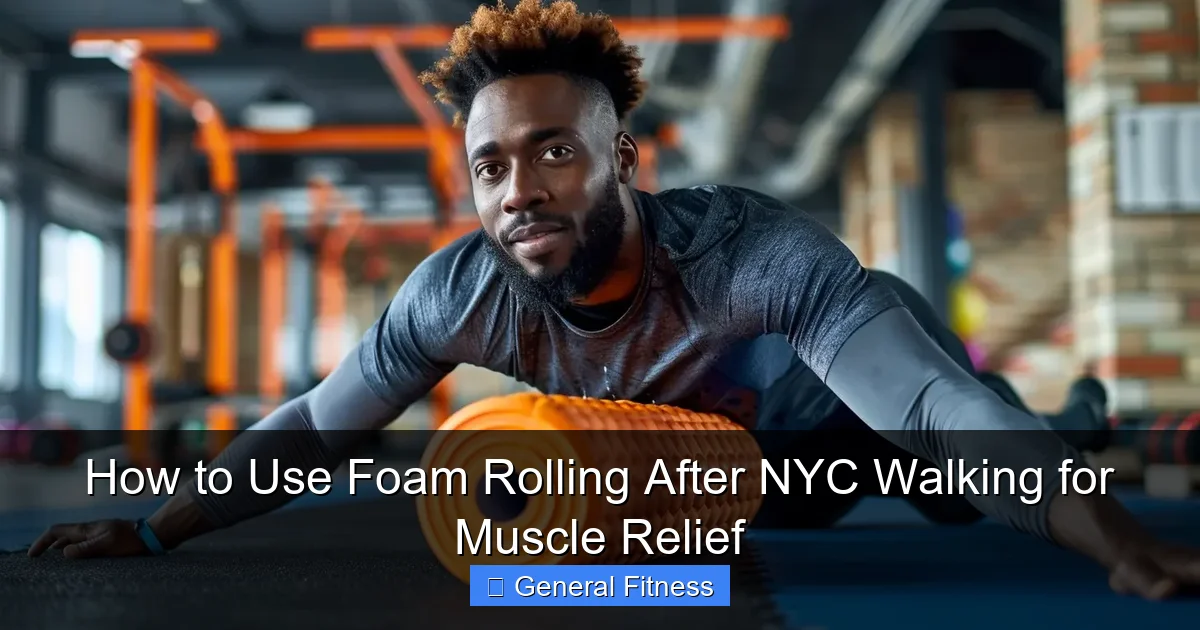
How to Use Foam Rolling After NYC Walking for Muscle Relief
Foam rolling after walking in NYC is a simple and effective way to relieve muscle soreness and boost recovery. Incorporating foam rolling into your post-walk routine helps reduce tightness, increase flexibility, and keep you energized for your busy city lifestyle. Learn practical tips and techniques to roll away discomfort and stay fit in the city.
Key Takeaways
- Foam rolling relieves muscle tension: It targets sore muscles after long walks in NYC, reducing tightness and stiffness.
- Improves blood flow and recovery: Rolling increases circulation, speeding up muscle repair and reducing soreness.
- Focus on key muscle groups: Target calves, quads, hamstrings, glutes, and lower back for best results after walking.
- Use proper technique: Apply moderate pressure and roll slowly to avoid discomfort or injury.
- Consistency matters: Regular foam rolling enhances flexibility and keeps muscles ready for daily walking.
- Combine with stretching: Stretching alongside foam rolling maximizes muscle relief and mobility.
- Stay mindful of posture: Proper walking and backpack use complement foam rolling benefits to prevent pain.
📑 Table of Contents
- How to Use Foam Rolling After NYC Walking for Muscle Relief
- Understanding Foam Rolling and Its Benefits After Walking
- Key Muscle Groups to Foam Roll After NYC Walking
- Step-by-Step Foam Rolling Routine After NYC Walking
- Tips for Safe and Effective Foam Rolling
- Integrating Foam Rolling Into Your NYC Fitness Lifestyle
- Conclusion
How to Use Foam Rolling After NYC Walking for Muscle Relief
If you’re a regular walker in New York City, you know how demanding the urban environment can be on your body. From crowded sidewalks to uneven pavement, your muscles work hard every step of the way. Long walks through Central Park, busy streets of Manhattan, or even your daily commute can leave your legs and back feeling tight and sore. Luckily, foam rolling is a fantastic tool to help ease muscle tension and speed up recovery after your city adventures.
In this guide, we’ll dive into how to properly use foam rolling after NYC walking to relieve muscle soreness, improve flexibility, and keep you moving comfortably. Whether you’re a casual walker or someone who covers miles every day, these simple techniques will make a big difference in how your body feels.
Plus, we’ll share practical tips on what muscles to focus on, how to avoid common mistakes, and ways to integrate foam rolling with your overall fitness routine. Let’s get rolling!
Understanding Foam Rolling and Its Benefits After Walking
What Is Foam Rolling?
Foam rolling is a form of self-myofascial release (SMR). It involves using a cylindrical foam roller to apply pressure on tight muscles and connective tissues. By rolling slowly over these areas, you can break up knots, increase blood flow, and improve muscle elasticity. It’s like giving your muscles a deep tissue massage whenever you need it.
Why Foam Rolling Helps After Walking in NYC
Walking in a busy city like New York means your muscles endure constant impact and repetitive use. Your calves, thighs, hips, and lower back all work hard to keep you upright and moving. Foam rolling helps by:
- Reducing muscle tightness caused by long periods of standing or walking
- Increasing circulation to flush out metabolic waste and bring in healing nutrients
- Improving flexibility and range of motion to prevent injury
- Alleviating soreness and speeding up recovery so you can stay active
Especially after a long day on your feet or a weekend stroll through the city’s parks, foam rolling can be the difference between feeling stiff and feeling refreshed.
Key Muscle Groups to Foam Roll After NYC Walking
Calves
Your calves work overtime to push off with every step. Tight calves can lead to discomfort in your feet and ankles. To foam roll your calves:
- Sit on the floor and place the foam roller under your calves.
- Lift your body weight slightly with your hands and roll from your ankles up to just below your knees.
- Pause and hold on any tight spots for 20-30 seconds.
Quadriceps (Front Thigh)
Walking, especially uphill or climbing stairs, engages your quads a lot. To roll your quads:
- Lie face down with the foam roller under your thighs.
- Use your arms to support your weight as you roll from your hip to your knee.
- Slow down on sore areas and breathe deeply.
Hamstrings (Back Thigh)
Hamstrings can get tight from prolonged walking or standing. To target them:
- Sit on the floor and place the foam roller under your hamstrings.
- Support your weight with your hands and roll from your knees up to your glutes.
- Focus on tender spots gently.
Glutes and Piriformis
The glute muscles stabilize your hips and support walking. Tight glutes can cause lower back pain. To roll your glutes:
- Sit on the foam roller and cross one ankle over the opposite knee.
- Lean toward the side of the crossed leg and roll the glute area slowly.
- Hold on any tight areas to release tension.
Lower Back and IT Bands
Be cautious rolling your lower back directly; instead, focus on the surrounding muscles.
- Lie on your side with the foam roller under your outer thigh (IT band).
- Roll slowly from your hip down to just above the knee.
- For lower back relief, use gentle stretching combined with foam rolling the glutes and hips.
Step-by-Step Foam Rolling Routine After NYC Walking
1. Warm Up Slightly
Before rolling, it’s helpful to do a light warm-up to get blood flowing. A few minutes of walking or marching in place can prepare your muscles.
2. Start With Calves
Begin rolling your calves for 1-2 minutes each leg. This helps loosen tightness in your lower legs.
3. Move to Quads and Hamstrings
Spend 1-2 minutes on each thigh muscle group. Take your time and focus on sore spots.
4. Target Glutes and Hips
Roll each side for about 1-2 minutes, paying attention to any tight knots.
5. Finish With IT Bands
Roll your outer thighs slowly to ease tension that can affect knee and hip comfort.
6. Breathe and Relax
Maintain deep breathing during rolling; it helps muscles relax and improves effectiveness.
Tips for Safe and Effective Foam Rolling
Use Moderate Pressure
Don’t press too hard, especially if you’re new to foam rolling. Aim for a “good hurt” sensation, not sharp pain.
Roll Slowly
Move at about one inch per second. Slow rolling allows muscles to release tension better.
Avoid Rolling on Bones or Joints
Stick to muscle areas. Rolling on bony parts can cause discomfort or injury.
Consistency Is Key
Make foam rolling part of your daily or post-walk routine for best results.
Combine With Stretching and Proper Posture
Stretch muscles after rolling to maintain flexibility. Also, good walking posture and a supportive backpack help reduce muscle strain—check out our guide on how to choose a commuter backpack for better posture to complement your foam rolling routine.
Integrating Foam Rolling Into Your NYC Fitness Lifestyle
Walking is one of the best ways to stay fit in New York City. To maximize your health benefits, consider adding foam rolling and other recovery techniques to your routine. Our article on how to stay fit in New York City offers a variety of tips to balance cardio, strength, and recovery for a healthy, active lifestyle.
Whether you’re exploring the city’s neighborhoods or commuting to work, foam rolling helps you keep going without aches and pains. It’s an easy, portable, and affordable tool that fits well into the busy NYC lifestyle.
Conclusion
Foam rolling after NYC walking is a simple yet powerful way to relieve muscle soreness, increase flexibility, and speed up recovery. By focusing on key muscle groups like calves, quads, hamstrings, and glutes, and using proper technique, you can reduce tightness and feel more comfortable on your feet. Remember to roll slowly, breathe deeply, and be consistent with your routine.
Integrating foam rolling with proper posture and stretching will help you enjoy your city walks even more and prevent common aches. Try adding foam rolling to your daily habits and experience the benefits firsthand. Your muscles will thank you!
🎥 Related Video: How to Foam Roll Your TFL Muscle for Effective Relief: Self Myofascial Release Techniques
📺 Elite Healers Sports Massage
Unlock the secrets to relieving tension in your TFL muscle with our effective foam rolling techniques. In this video, we guide you …
Frequently Asked Questions
How long should I foam roll after walking in NYC?
Spend about 10-15 minutes foam rolling after your walk, focusing on each major muscle group for 1-2 minutes. This duration helps reduce soreness without overdoing it.
Can foam rolling prevent injuries from walking?
Yes, foam rolling improves muscle flexibility and reduces tightness, which can lower your risk of injuries like strains and tendonitis caused by repetitive walking.
Is foam rolling suitable for everyone?
Generally, foam rolling is safe for most people. However, those with certain medical conditions or severe pain should consult a healthcare provider before starting.
How often should I foam roll if I walk daily in NYC?
For daily walkers, foam rolling 3-5 times per week is ideal to maintain muscle health and prevent stiffness.
Should I foam roll before or after walking?
Foam rolling is most effective after walking to relieve muscle tension and aid recovery. Gentle rolling before walking can also warm up muscles but keep pressure light.
What type of foam roller is best for post-walk muscle relief?
A medium-density foam roller is best for beginners and daily use. It provides enough pressure to release tightness without causing excessive discomfort.