
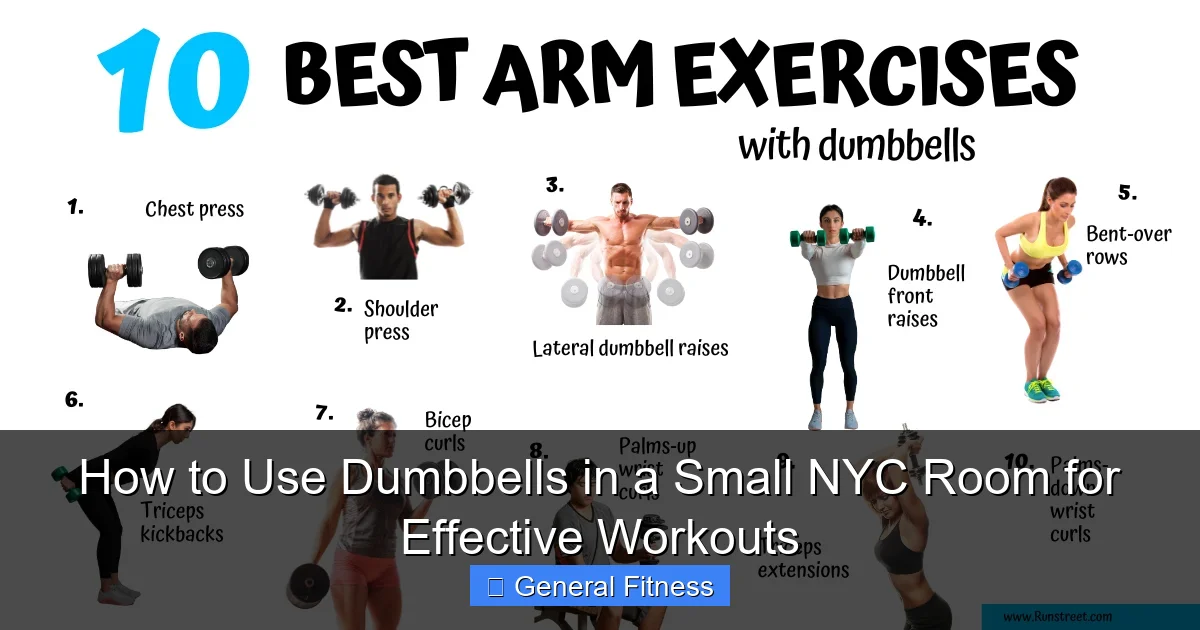
How to Use Dumbbells in a Small NYC Room for Effective Workouts
Working out with dumbbells in a small NYC room is totally doable and can be highly effective. With smart space management and the right exercises, you can build strength and stay fit without needing a big gym. This guide shares easy tips and workout ideas to help you get started today.
Key Takeaways
- Space-saving strategies: Use compact dumbbells and organize your room to create a workout zone.
- Essential dumbbell exercises: Focus on versatile moves that target multiple muscle groups.
- Safety first: Ensure proper form and clear your workout area to avoid injuries.
- Time-efficient workouts: Use circuit training and supersets to maximize results in limited time.
- Storage solutions: Invest in racks or shelves to keep dumbbells tidy and accessible.
- Adapt workouts to your space: Modify exercises as needed to fit your room size.
- Consistency is key: Regular workouts, even in small spaces, lead to great fitness gains.
📑 Table of Contents
- How to Use Dumbbells in a Small NYC Room for Effective Workouts
- 1. Maximizing Space: Setting Up Your Workout Area
- 2. Choosing the Right Dumbbells for Small Spaces
- 3. Effective Dumbbell Exercises for Small Rooms
- 4. Creating Efficient Workouts in Small Spaces
- 5. Safety Tips When Working Out in Small Spaces
- 6. Staying Motivated and Consistent in NYC
- Conclusion
How to Use Dumbbells in a Small NYC Room for Effective Workouts
Living in New York City often means dealing with limited living space. Apartments here can be cozy, and finding room for a full home gym might feel impossible. But if you have dumbbells, you already have a powerful tool to stay fit without needing a big workout area. Dumbbells are compact, versatile, and perfect for strength training at home.
In this article, I’ll share practical tips on how to make the most of your dumbbells in a small NYC room. Whether you live in a studio or a tiny one-bedroom, you can create an effective workout routine that fits your space and schedule. From organizing your room to choosing the best exercises, we’ll cover everything you need to get started.
Let’s dive into how you can turn your small room into a strength training zone and enjoy the benefits of dumbbell workouts without feeling cramped or overwhelmed.
1. Maximizing Space: Setting Up Your Workout Area
Choose the Right Spot
First, find a small corner or part of your room where you can comfortably move around. It could be near a window, against a wall, or even next to your bed. The key is to have enough space to extend your arms and move your legs without bumping into furniture.
Clear the Area
Remove any clutter or objects that might get in the way. Clear rugs or mats can help define your workout space and protect your floor. If you don’t have a yoga mat, a thick towel or blanket works fine.
Use Vertical Storage
Since floor space is limited, think vertically. Use wall-mounted racks or shelves to store dumbbells when you’re not using them. This keeps your area tidy and prevents tripping hazards. You can also stack dumbbells on a small rack or buy adjustable dumbbells that take up less space.
Multi-Functional Furniture
If you have furniture that can double as storage or workout support — like a sturdy bench or ottoman — incorporate it into your setup. For example, you can use a bench for seated exercises or step-ups, saving space and equipment costs.
2. Choosing the Right Dumbbells for Small Spaces
Adjustable Dumbbells
Adjustable dumbbells are ideal for small rooms because they combine multiple weight options into one compact set. You can quickly change weights for different exercises without needing a whole rack of dumbbells.
Compact Fixed-Weight Dumbbells
If you prefer fixed weights, opt for smaller, compact dumbbells made with space-saving designs. Neoprene or rubber-coated dumbbells are quieter and less likely to damage your floor.
Weight Selection Tips
Choose dumbbells that match your current fitness level but allow room to progress. For beginners, a range from 5 to 15 pounds works well. If you’re more advanced, consider adjustable dumbbells going up to 50 pounds or more.
3. Effective Dumbbell Exercises for Small Rooms
When space is tight, you want exercises that don’t require a lot of movement but still give you a full-body workout. Here are some great dumbbell moves you can do in a small NYC room.
Upper Body Exercises
- Dumbbell Shoulder Press: Sit or stand and press the weights overhead to work your shoulders and arms.
- Bent-Over Rows: Bend at the hips and pull the dumbbells toward your chest to target your back.
- Bicep Curls: Classic curls to strengthen the arms without needing extra space.
- Tricep Kickbacks: Lean slightly forward and extend your arms back to tone triceps.
Lower Body Exercises
- Goblet Squats: Hold one dumbbell close to your chest and squat down. This targets quads, glutes, and core.
- Lunges: Perform stationary lunges holding dumbbells for added resistance. You can do these in place without needing much room.
- Calf Raises: Hold dumbbells by your sides and raise your heels off the ground to strengthen calves.
Core Exercises
- Russian Twists: Sit on the floor holding one dumbbell and twist your torso side to side.
- Dumbbell Side Bends: Stand and bend sideways holding a dumbbell to work your obliques.
- Weighted Sit-Ups: Hold a dumbbell on your chest during sit-ups for extra core challenge.
4. Creating Efficient Workouts in Small Spaces
Circuit Training
Combine several dumbbell exercises into a circuit. Perform one set of each with minimal rest, then repeat. This keeps your heart rate up and makes your workout time-efficient. For example, do 10 goblet squats, 10 shoulder presses, 10 rows, and 10 lunges, then rest for a minute and repeat 3-4 times.
Supersets
Pair two exercises back-to-back without resting in between. For instance, do bicep curls immediately followed by tricep kickbacks. This method saves time and boosts calorie burn.
Short and Sweet Sessions
You don’t need an hour to get results. Even 20-30 minutes of focused dumbbell training works well. Consistency matters more than duration, so aim for 3-4 sessions per week.
5. Safety Tips When Working Out in Small Spaces
Watch Your Surroundings
Make sure there are no fragile items nearby that you could accidentally hit with a dumbbell. Keep pets and children out of the workout zone.
Maintain Good Form
Always prioritize proper form over heavier weights or more reps. This reduces the risk of injury and ensures you are targeting muscles effectively.
Warm-Up and Cool Down
Even in a small room, take 5-10 minutes to warm up before lifting weights and stretch afterward to aid recovery.
6. Staying Motivated and Consistent in NYC
Create a Routine
Set specific days and times for your dumbbell workouts to build a habit. Treat your workout time as a non-negotiable appointment.
Track Your Progress
Keep a simple journal or use an app to log your weights and reps. Seeing progress helps keep motivation high.
Mix It Up
Change your exercises every few weeks or try new workout formats to prevent boredom. For instance, alternate between strength days and dumbbell cardio circuits.
And if you want a cozy spot to relax and recharge after your workouts, check out our guide on the best small coffee makers for 2026 to create a perfect post-workout coffee ritual in your NYC apartment.
Conclusion
Using dumbbells in a small NYC room is not only possible but can be highly effective with the right approach. By organizing your space smartly, choosing versatile exercises, and maintaining a consistent routine, you can achieve great fitness results without needing a large gym or bulky equipment. Remember to focus on safety and enjoy the process of getting stronger and healthier in your cozy space.
With these tips, your small room can become your personal fitness sanctuary. Grab your dumbbells and start your workout today — no matter the size of your NYC apartment!
🎥 Related Video: 10-Minute Beginner Dumbbell Workout (Standing Workout)
📺 nourishmovelove
Short on time but want a total body workout? Try this 10-Minute Beginner Dumbbell Workout! This no repeats, all standing …
Frequently Asked Questions
Can I effectively build muscle using dumbbells in a small room?
Absolutely! Dumbbells allow you to perform a wide range of strength exercises that target all major muscle groups. With consistent training and proper form, you can build muscle effectively even in a small space.
What are some space-saving dumbbell storage options?
Wall-mounted racks, vertical shelving units, and compact dumbbell stands are great for saving floor space. Adjustable dumbbells also minimize clutter by combining multiple weights into one set.
How can I avoid injury when working out in a cramped room?
Clear enough space to move safely and ensure good lighting. Focus on proper exercise form and start with lighter weights. Warming up and cooling down are also important in small spaces.
Are adjustable dumbbells better for small apartments?
Yes, adjustable dumbbells are ideal for small spaces because they replace multiple fixed weights with one compact set. They save space and offer flexibility as your strength improves.
How often should I work out with dumbbells in a small NYC room?
Aim for 3 to 4 sessions per week. Short, focused workouts of 20-30 minutes are effective and easier to fit into a busy NYC lifestyle.
Can I combine dumbbell workouts with cardio in a small room?
Definitely. Circuit training with dumbbells or quick supersets can raise your heart rate and give you both strength and cardio benefits without needing much space.