
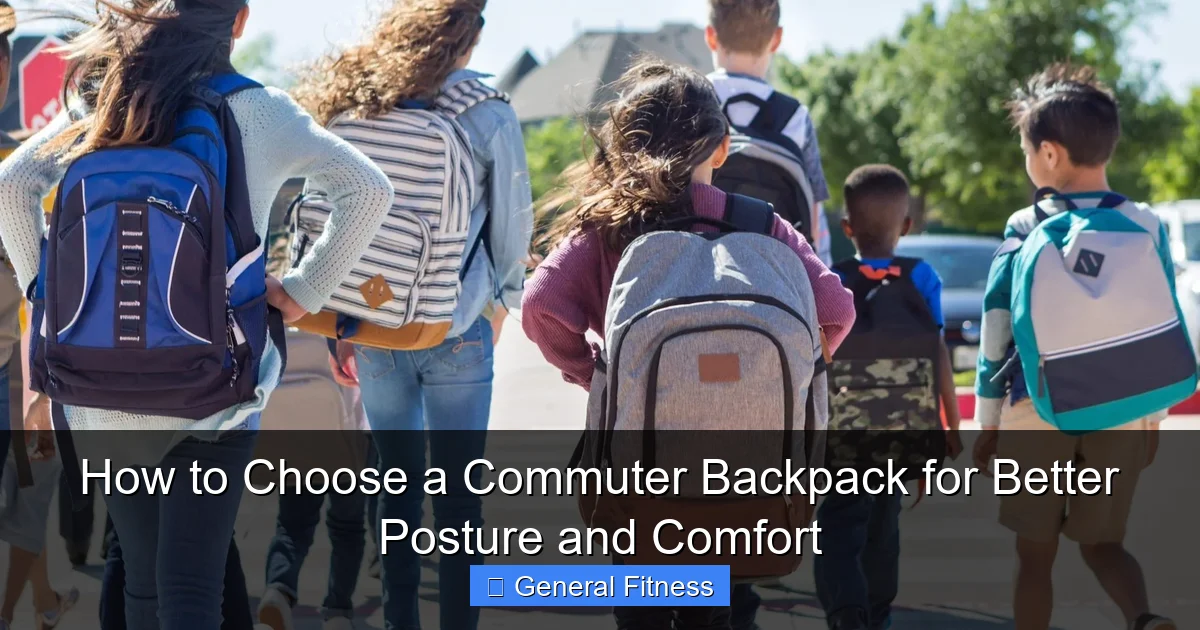
How to Choose a Commuter Backpack for Better Posture and Comfort
Choosing the right commuter backpack can transform your daily routine by improving posture and reducing back pain. This guide walks you through essential features and practical tips to pick a backpack that supports comfort and spine health every day.
Key Takeaways
- Ergonomic Design Matters: Look for backpacks with padded straps and back support to promote good posture.
- Weight Distribution: A backpack that evenly distributes weight helps reduce strain on your shoulders and spine.
- Adjustable Features: Adjustable straps and waist belts ensure a customized fit for better comfort and posture.
- Size and Capacity: Choose a backpack that fits your load without encouraging overpacking, which can harm your posture.
- Material and Breathability: Lightweight, breathable materials improve comfort during long commutes.
- Practical Compartments: Organized storage helps balance weight and keeps essentials accessible.
- Posture Awareness: Using your backpack correctly and maintaining good posture habits are key to long-term comfort.
📑 Table of Contents
- How to Choose a Commuter Backpack for Better Posture and Comfort
- 1. Understanding the Importance of Backpack Design for Posture
- 2. How to Assess Weight Distribution in a Backpack
- 3. Adjustable Features to Look For
- 4. Choosing the Right Size and Capacity
- 5. Material and Breathability for Comfort
- 6. Practical Compartments and Organization
- 7. Using Your Backpack Correctly for Optimal Posture
- Conclusion
How to Choose a Commuter Backpack for Better Posture and Comfort
If you’re someone who commutes daily, either by walking, biking, or public transit, you know how important it is to have a reliable backpack. But beyond just carrying your essentials, your commuter backpack plays a crucial role in your posture and overall comfort. Choosing the right backpack isn’t just about style — it’s about supporting your back and preventing strain during your busy day.
Many people overlook how their backpack impacts their spine health. An ill-fitting or poorly designed bag can lead to slouching, shoulder pain, and even long-term posture problems. On the other hand, a well-chosen backpack helps you stand tall, keeps your load balanced, and reduces fatigue.
In this article, I’ll guide you through everything you need to know to pick a commuter backpack that promotes better posture and comfort. From ergonomic designs to adjustable features, you’ll get practical tips to make an informed choice. Let’s dive in!
1. Understanding the Importance of Backpack Design for Posture
Why Posture Matters During Your Commute
Good posture is essential for spinal health. When you carry a backpack that’s too heavy or poorly balanced, your body compensates by leaning forward or to one side, which strains your muscles and joints. Over time, this can cause back and neck pain, headaches, and even nerve issues.
Using a backpack designed with posture in mind helps maintain the natural curve of your spine. It encourages an upright stance, reduces muscle tension, and improves your breathing and circulation during your walk or ride.
Key Features of an Ergonomic Backpack
- Padded Shoulder Straps: Cushion your shoulders and distribute weight evenly.
- Back Padding: Supports the natural curve of your spine and adds comfort.
- Chest and Waist Straps: Secure the backpack close to your body to prevent swaying.
- Lightweight Materials: Avoid unnecessary weight that adds strain.
2. How to Assess Weight Distribution in a Backpack
Why Weight Distribution is Crucial
Even if your backpack isn’t heavy, poor weight distribution can cause discomfort and poor posture. The heavier items should be closest to your back to reduce the levering force on your spine. When weight pulls away from your body, it forces you to lean forward to compensate.
Tips for Balanced Packing
- Place heavy items like laptops or books near the back panel.
- Use compartments to separate items and keep the weight centered.
- Distribute smaller items evenly in side or front pockets.
Choosing a commuter backpack with multiple compartments can make this easier. For instance, many backpacks designed for urban commuters have dedicated laptop sleeves and pockets that keep heavier items close to your spine.
3. Adjustable Features to Look For
Why Custom Fit Matters
Everyone’s body is different, so a one-size-fits-all backpack rarely works well for posture. Adjustable straps allow you to customize the fit, ensuring the backpack sits snugly against your back without sagging or bouncing.
Strap Adjustments
- Shoulder Straps: Should be padded and adjustable to prevent digging into your shoulders.
- Chest Straps (Sternum Straps): Help stabilize the bag and distribute weight across the upper body.
- Waist Belts: Transfer some weight from your shoulders to your hips, reducing upper back strain.
Try adjusting all straps to find the most comfortable position before your commute. A backpack that fits well encourages you to keep your shoulders back and chest open, supporting a healthy posture.
4. Choosing the Right Size and Capacity
Don’t Overpack
A common mistake is picking a large backpack and filling it with more than you need. Extra weight naturally leads to poor posture. Pick a backpack that fits your daily essentials snugly, avoiding the temptation to overload.
Consider Your Daily Needs
- If you carry a laptop, charger, and a few personal items, a 15-20 liter backpack is usually enough.
- For those who carry gym clothes or additional gear, a 20-25 liter capacity might be better.
- Remember, the smaller and lighter, the better for your posture.
Choosing the right size also makes it easier to use ergonomic features effectively. An oversized backpack can shift your center of gravity backward or sideways, increasing strain.
5. Material and Breathability for Comfort
Lightweight Materials
Opt for backpacks made from lightweight but durable fabrics like nylon or polyester. Heavy materials add unnecessary weight, which can worsen posture problems.
Breathable Back Panels
Look for backpacks with mesh or ventilated back panels. This helps reduce sweating and discomfort, especially if you walk or bike in warm weather. Feeling comfortable encourages you to wear your backpack correctly without slouching or adjusting frequently.
6. Practical Compartments and Organization
Why Organization Helps Posture
A well-organized backpack prevents you from constantly shifting items around while on the move. This reduces awkward movements that can strain your back or shoulders.
Suggested Compartment Features
- Padded laptop sleeve near the back panel
- Separate pockets for chargers, keys, and small items
- Side pockets for water bottles to balance weight
- Front compartment for quick access to essentials
With an organized backpack, you can pack smarter and maintain better posture throughout your commute.
7. Using Your Backpack Correctly for Optimal Posture
Wear Both Shoulder Straps
Always wear both straps to evenly distribute weight. Slinging a backpack over one shoulder causes uneven pressure and poor posture.
Adjust Straps Regularly
Make sure the backpack is snug against your back without sagging. Adjust straps to keep the bag close to your body, which helps maintain your center of gravity.
Limit Weight
Keep your load under 10-15% of your body weight to avoid strain. Carry only what you need to protect your back and shoulders.
For more tips on daily comfort and healthy routines, check out our guide on top cold brew makers to energize your mornings and keep your day balanced.
Conclusion
Choosing the right commuter backpack is an investment in your posture and overall well-being. By focusing on ergonomic design, proper weight distribution, adjustable features, and size, you can significantly reduce strain and discomfort. Remember, the best backpack fits you well, supports your spine, and encourages healthy posture habits.
Next time you shop for a backpack, keep these tips in mind to find a model that makes your daily commute easier and healthier. A little thought now goes a long way toward comfort and back care in the long run.
For those who enjoy practical kitchen gadgets alongside daily comfort, you might also find our expert picks on affordable waffle makers and small coffee makers helpful for starting your day right.
🎥 Related Video: Here is the proper way to carry a backpack! 🎒
📺 Advanced Health Chiropractic South Loop
Book your appointment with us, here: https://www.southloopchiropractor.com/contact-us/ Thank you for watching – Here is the …
Frequently Asked Questions
What features should I look for in a commuter backpack to support good posture?
Look for padded shoulder straps, back support, adjustable chest and waist straps, and a lightweight design. These features help distribute weight evenly and keep the backpack close to your body, promoting better posture.
How heavy should my backpack be to avoid back pain?
Experts recommend keeping your backpack weight under 10-15% of your body weight. Carrying more can strain your back and shoulders, leading to poor posture and discomfort.
Is it better to wear both shoulder straps or just one?
Wearing both shoulder straps is best because it evenly distributes the weight across your back and shoulders. Using only one strap can cause muscle strain and poor posture.
Can a waist strap really improve my posture?
Yes, a waist strap helps transfer some of the backpack’s weight from your shoulders to your hips, reducing upper back strain and encouraging an upright posture.
How do I know if a backpack fits me properly?
A properly fitting backpack should sit snugly against your back without sagging. The bottom of the bag should rest at your lower back or waist, and the shoulder straps should be adjustable to prevent digging into your shoulders.
Are there specific materials that make backpacks more comfortable for commuting?
Backpacks made from lightweight, durable materials like nylon or polyester are ideal. Also, breathable mesh back panels improve airflow and comfort during long commutes.